Zafiro Producer FPSO
A converted VLCC installed in 1996 as the original FPSO for the Zafiro oil field offshore Equatorial Guinea. Permanently moored about 74 kilometres west of Malabo in approximately 180 metres of water, it initially processed, stored and offloaded production from eight subsea wells. After separate floating storage was introduced, the vessel continued as a production unit, with crude routed onward for storage and tanker export.
Operator: ExxonMobil
Status: Operational
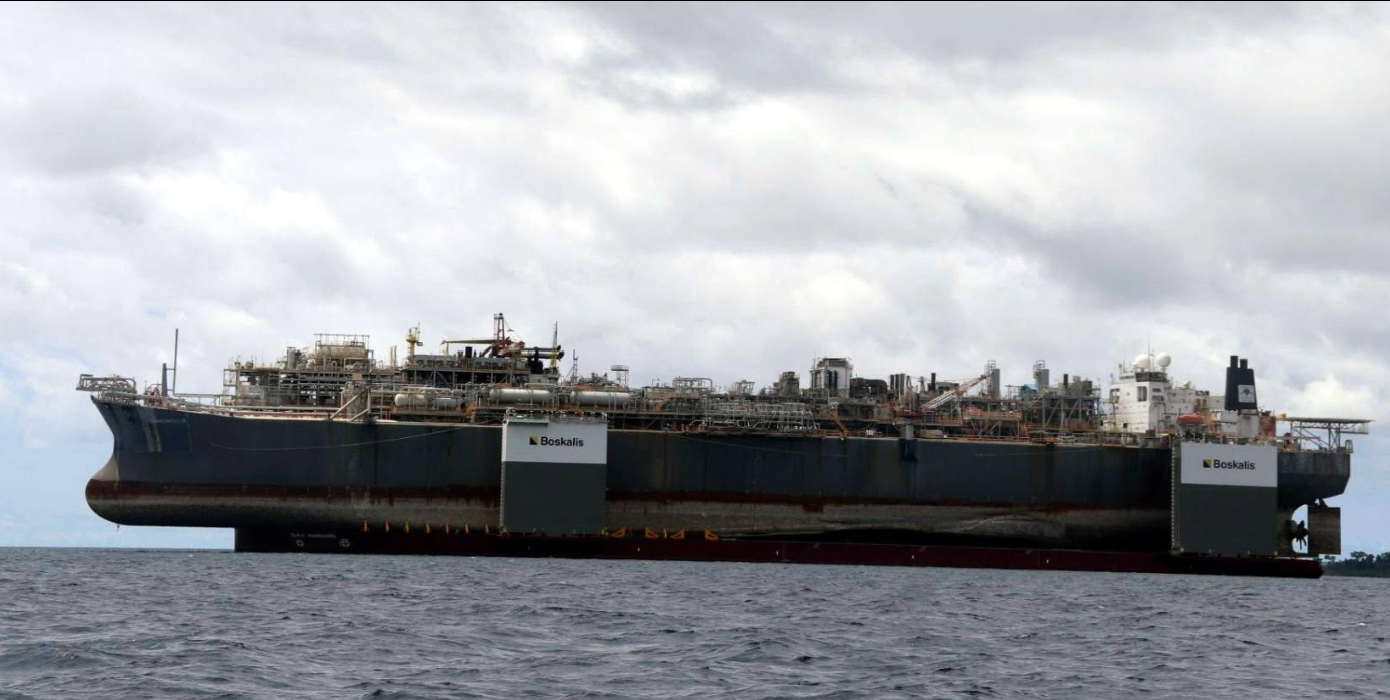
Image Source: Facebook: Ship Breaking, FPSO Zafiro Producer. (All rights belong to the original owner.)
Production: Oil
Operations start: 2003
Water depth: 180 m
Country: Equatorial Guinea
Block: Block B
Type: FPSO
Field
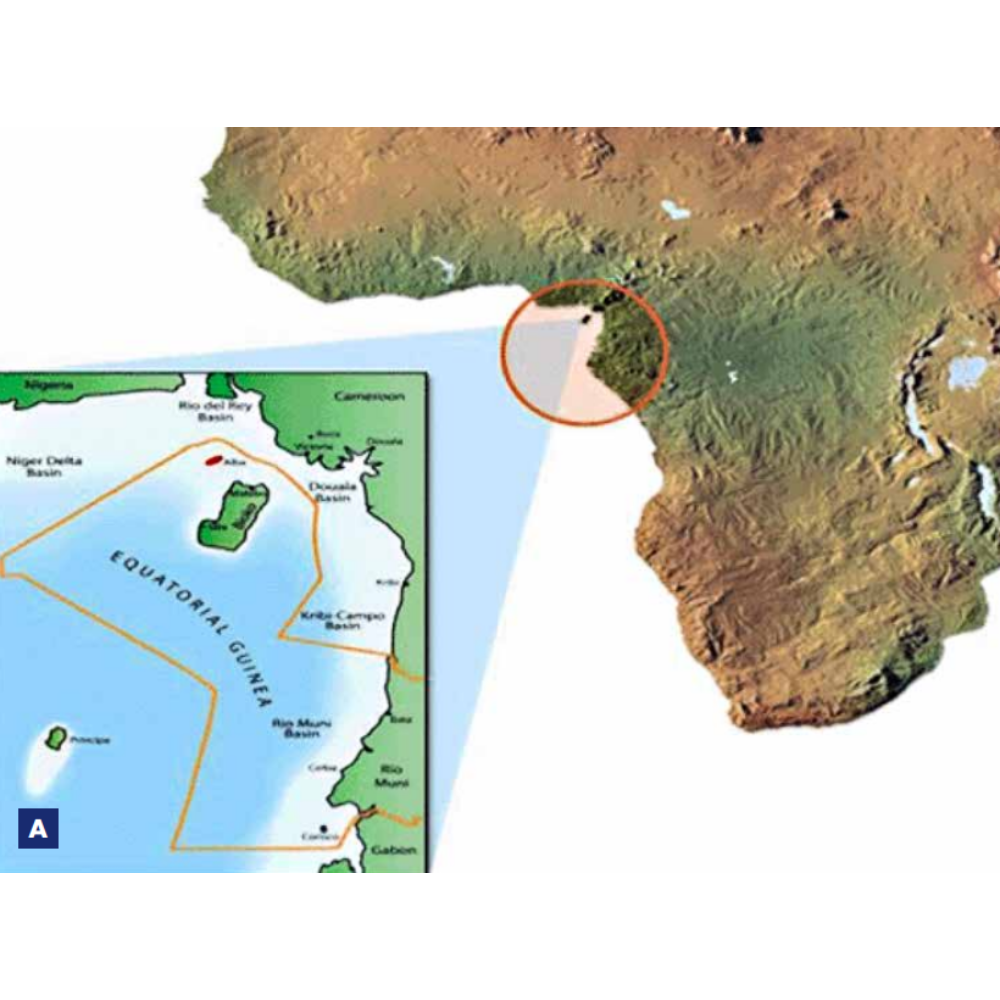
Zafiro is a giant, mature oil-field complex in Block B, west-northwest of Bioko Island and adjacent to the maritime boundary with Nigeria. It occupies the deepwater toe-thrust province of the Niger Delta Basin. Reservoirs are stacked Pliocene deepwater slope-channel sandstones, including the Intra-Qua Iboe member of the Agbada Formation, draped over a structural high. Development expanded from the original subsea FPSO scheme to fixed-platform and additional FPSO infrastructure.
Facilities
The original fast-track development was based on eight subsea wells tied to Zafiro Producer by flowlines and risers. The converted vessel carried an oil-processing plant, a dedicated gas-flare system and integral crude storage. Subsequent field work added water-injection facilities, gas-lift capability and additional electrical generation, allowing pressure support and artificial lift to be supplied from the production unit. The nearby Jade fixed platform later provided additional well access and gas separation; its liquids were transferred by pipeline into the Zafiro production system. The vessel was converted from the 268,191-deadweight-tonne VLCC Swift, built in 1973. It measures approximately 331.5 metres long, 56 metres wide and 26.4 metres deep. The original installation provided about 1.7 million barrels of oil storage. Zafiro Producer is held by twelve catenary mooring lines arranged in four groups of three, maintaining the vessel’s position in about 180 metres of water. Export architecture changed as the field expanded. Initially, treated crude was stored onboard and offloaded directly. Separate floating storage was subsequently introduced, and storage duty ultimately transferred to the Serpentina FPSO; Zafiro Producer then operated as a floating production unit rather than the field’s principal storage vessel. Stabilised crude from Zafiro Producer and Jade was routed to Serpentina’s cargo tanks, from which it was transferred to visiting export tankers. The long-term arrangement therefore separated production and primary processing on Zafiro Producer from bulk storage and offloading on the later vessel.
Similar Assets
News