Beryl A
Beryl A is a major concrete gravity base production, processing, storage and living quarters platform in the northern North Sea, commissioned in 1976. It produces oil and associated gas from the Beryl field and acts as the central hub for the Beryl area, exporting crude by tanker and gas via pipeline.
Operator: Apache Beryl
Status: Operational
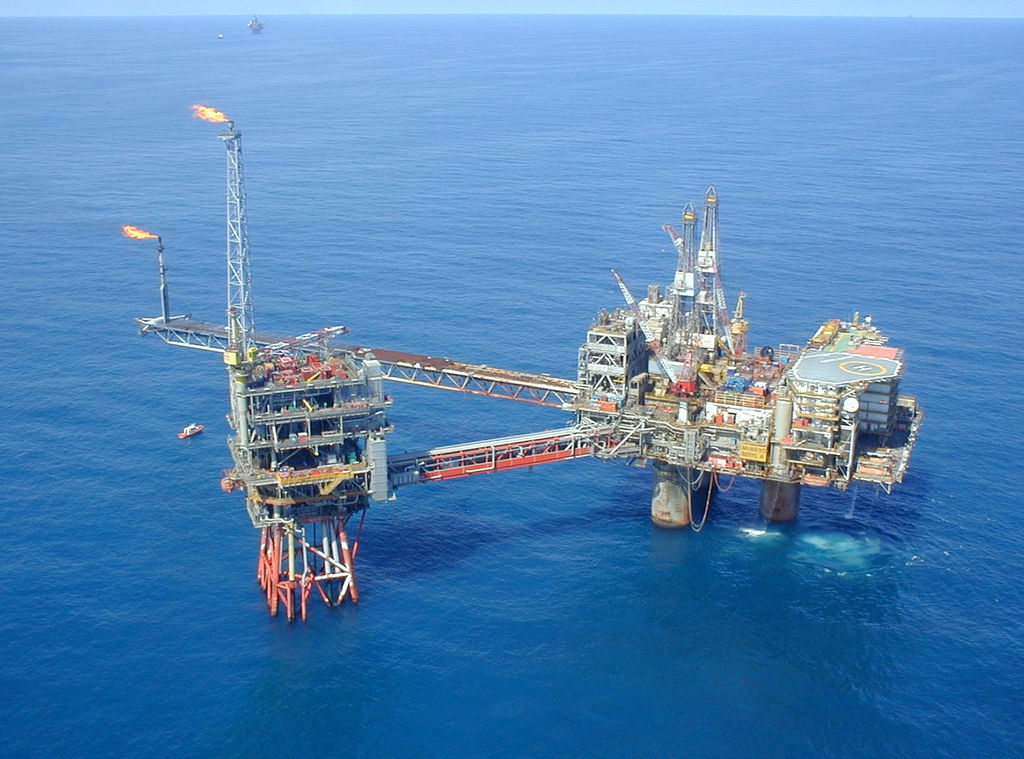
Image Source: Apache Beryl. (All rights belong to the original owner.)
Production: Oil
Operations start: 1976
Water depth: 119 m
Country: UK
Block: 9/13
Type: Gravity-based concrete
Field
The Beryl oil field is a large Triassic/Jurassic sandstone reservoir in Block 9/13a, discovered in 1972. It has been developed using concrete gravity platforms with extensive subsea and satellite tie-backs. Oil is the primary hydrocarbon with associated gas exported via SAGE.
Facilities
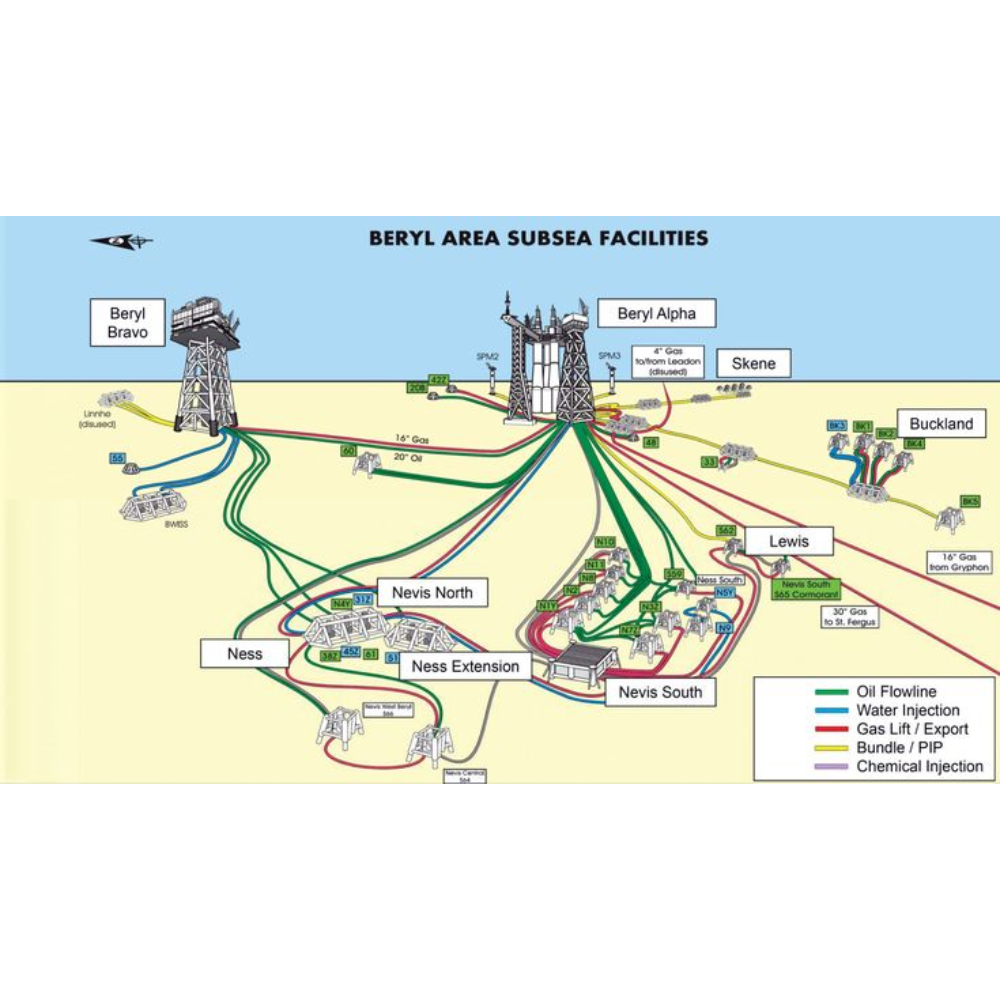
Beryl A's concrete gravity base supports topsides including drilling and production facilities, multiphase separators, gas compressors, water injection and accommodation for operations personnel. The platform hosts 30+ production wells and injection wells. Oil is processed through high/low pressure separation trains, stabilized and stored in substructure cells before offloading to shuttle tankers via single point moorings. Gas is compressed, dehydrated and exported into the Scottish Area Gas Evacuation (SAGE) pipeline. Utilities include gas turbine generators, fire/gas detection, chemical injection for corrosion/hydrate control, produced water treatment and extensive control systems. Beryl A also integrates risers from subsea tie-backs (e.g., Beryl Bravo, Callater) and provides gas import/export riser support. Robust safety systems include emergency shutdown, flare systems, and redundancy in power and processing trains to enable long-term field operations.
Similar Assets
News