Erskine
Erskine is a normally unattended gas/condensate platform in Block-23/26b of the UK Central North Sea, first producing in 1997. It exports production via pipeline to the nearby Lomond platform for processing, without significant standalone processing capacity. It develops high-pressure, high-temperature hydrocarbons.
Operator: Ithaca
Status: Operational
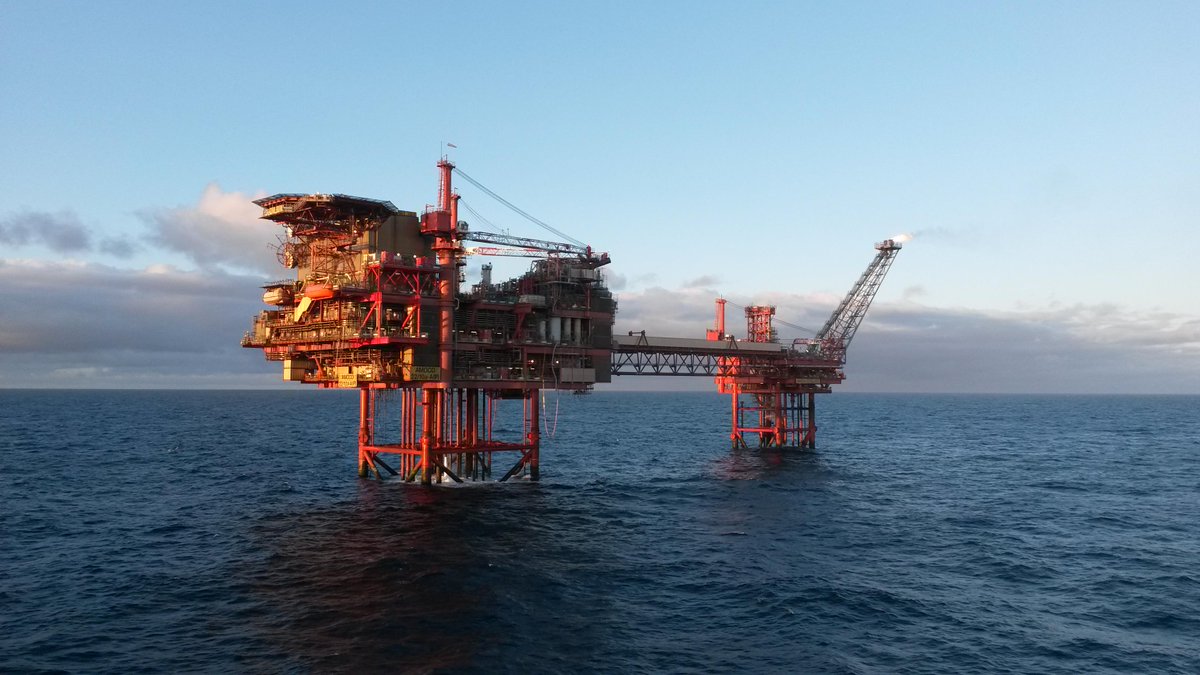
Image Source: Ithaca. (All rights belong to the original owner.)
Production: Gas
Operations start: 1997
Water depth: 90 m
Country: UK
Block: 23/26a
Type: Fixed steel jacket
Field
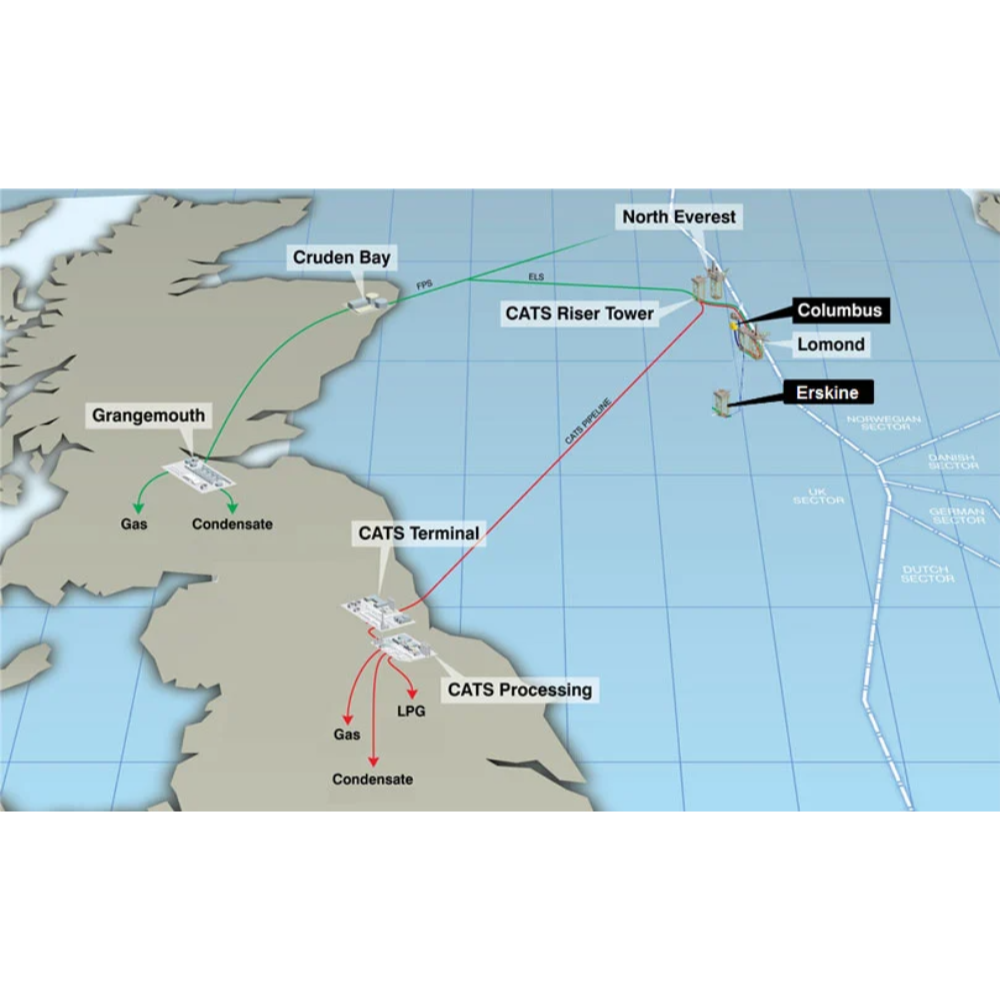
The Erskine field lies approximately 150-miles north-east of Aberdeen in the Central North Sea. Discovered in 1981, the field contains high-pressure, high-temperature gas and condensate in sandstone reservoirs. Erskine's development ties back to Lomond for processing and then on to regional export systems.
Facilities
Erskine's normally unattended installation comprises wellheads feeding a pipeline that transports production to the Lomond platform's dedicated processing module. On Lomond, multiphase separation and initial conditioning occur before export: gas is exported via the Central Area Transmission System (CATS) and condensate via the Forties Pipeline System. The Erskine installation includes subsea and topside manifolds, flow control and safety shutdown systems, and pipeline interfaces. Since it is unmanned, utilities are minimal, relying on remote monitoring and control from Lomond. Safety features include automated emergency shutdown and flare systems at tie-in manifolds. The design emphasises remote operation efficiency and integration with Lomond's larger processing infrastructure, consolidating Erskine's production into broader regional export routes.
Similar Assets
News