Brae A
The Brae A fixed steel jacket platform in the UK North Sea was installed in April 1982 and first produced in July 1983. It integrates drilling, production, utilities and accommodation functions, acting as the principal hub of the Brae Area. It processes hydrocarbons from multiple zones and subsea tie-ins, with export infrastructure linking to main pipelines.
Operator: TAQA
Status: Operational
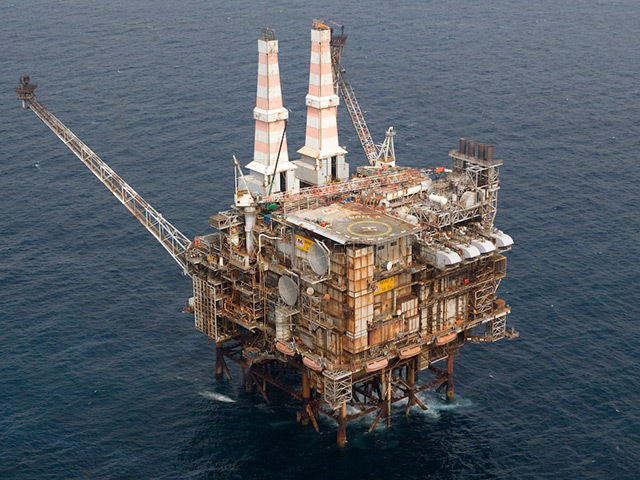
Image Source: TAQA. (All rights belong to the original owner.)
Production: Oil
Operations start: 1983
Water depth: 112 m
Country: UK
Block: 16/7
Type: Fixed steel jacket
Field
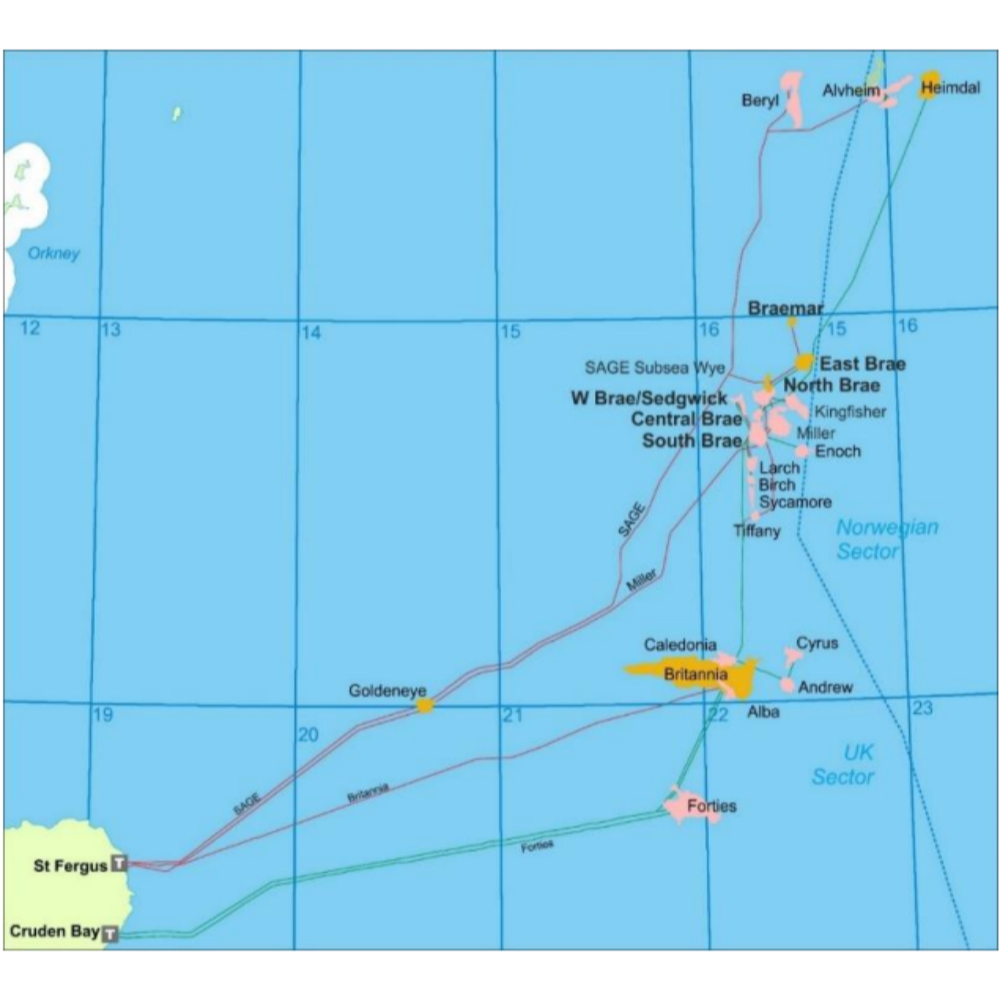
The Brae oilfield lies ~274-280-km northeast of Aberdeen in Block 16/7a. Discovered in the mid-1970s, it comprises South, Central and West Brae accumulations with oil, gas and condensate in Jurassic and Cretaceous reservoirs. Brae remains a significant UKCS producing area with interconnected platforms.
Facilities
Brae A hosts drilling and production well slots, primary separation for oil/gas/water, and utility modules for power generation, water handling, chemical injection and fire/gas detection. Produced gas is dehydrated and compressed for export via the Scottish Area Gas Evacuation (SAGE) system; liquids are stabilized and exported via the Forties Pipeline System. A power ring main interconnects Brae A with Bravo and East Brae, allowing load sharing and increased reliability. Accommodation modules support field crews, with helideck, control rooms and safety systems integrated into the topsides. Jacket and topsides were engineered for 100+ well connections with provisions for subsea tie-backs and future field expansions. Control and automation systems tie production, injection and export functions together for optimized long-term operation.
Similar Assets
News