Tambar
Tambar is an offshore oil field in the southern Norwegian North Sea, developed with a remotely operated wellhead platform that began production in 2001 and ties back to the Ula production complex. It produces oil with associated gas as part of the Ula area development.
Operator: Aker BP ASA
Status: Operational
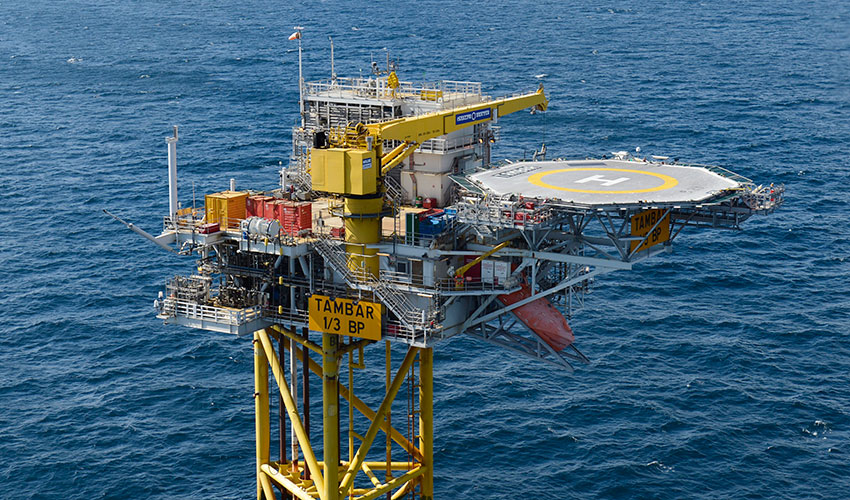
Image Source: Aker BP ASA. (All rights belong to the original owner.)
Production: Oil
Operations start: 2002
Water depth: 70 m
Country: Norway
Block: 1/3
Type: Fixed steel jacket
Field
Located ~16-km southeast of Ula in ~70-m water depth, the Tambar field was discovered in 1983 and produces oil from Upper Jurassic sandstone reservoirs. Its development centres around an unmanned wellhead platform tied to Ula for processing.
Facilities
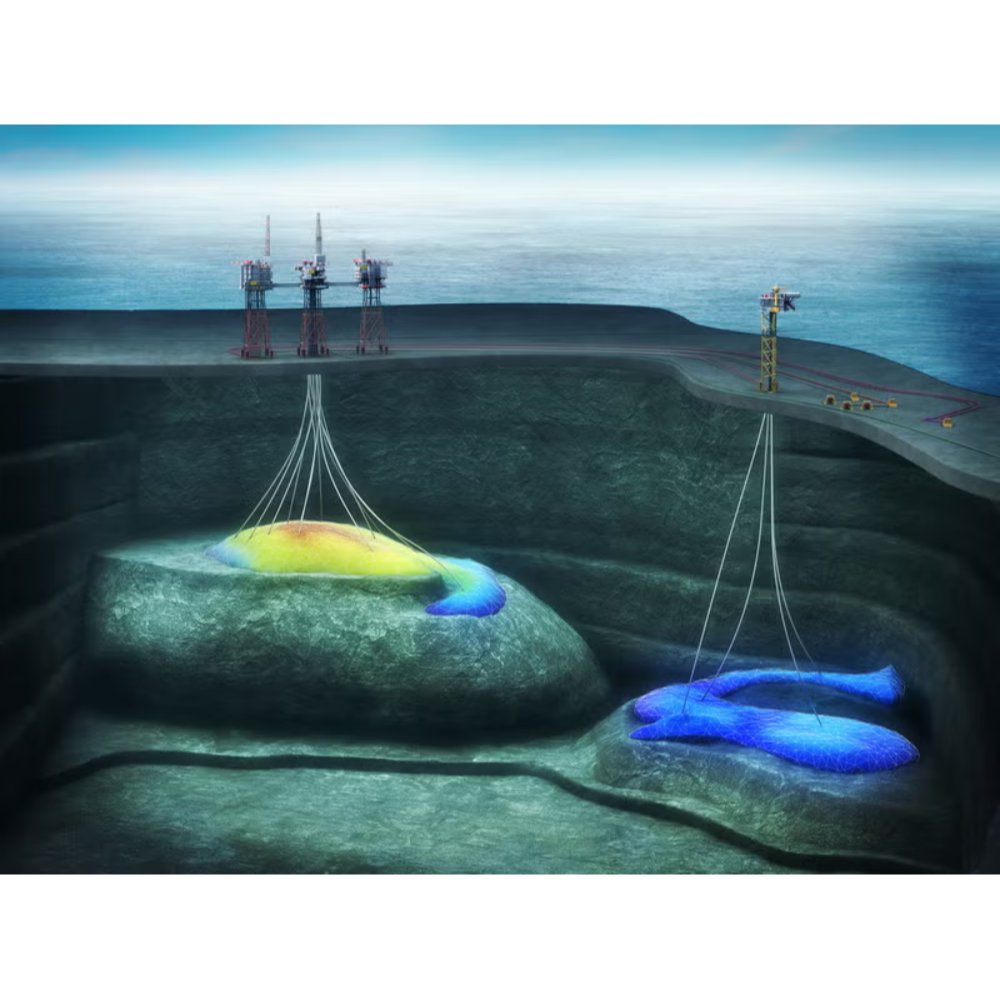
The Tambar wellhead platform serves as the collection point for field production wells, routing crude via subsea pipelines to the Ula processing facility where primary separation, stabilisation and export functions occur. The platform does not house significant processing equipment itself; utilities focus on well control risers, flowline interfaces, remote monitoring systems and safety shutoff valves, with power and controls delivered from Ula. Produced gas is reinjected into the Ula reservoir to support oil recovery, while oil is exported through Ekofisk and onward to Teesside. Subsea infrastructure includes flowlines, control umbilicals and risers tied into the Ula hub, and utility systems ensure safe and reliable remote operations over the field life.
Similar Assets
News