Sleipner B
Sleipner B is an unmanned wellhead production platform in the Sleipner Vest area of the Norwegian North Sea, brought online in 1996 as part of the Sleipner field infrastructure. It produces gas and condensate and is remotely controlled from the Sleipner A processing hub.
Operator: Equinor Energy AS
Status: Operational
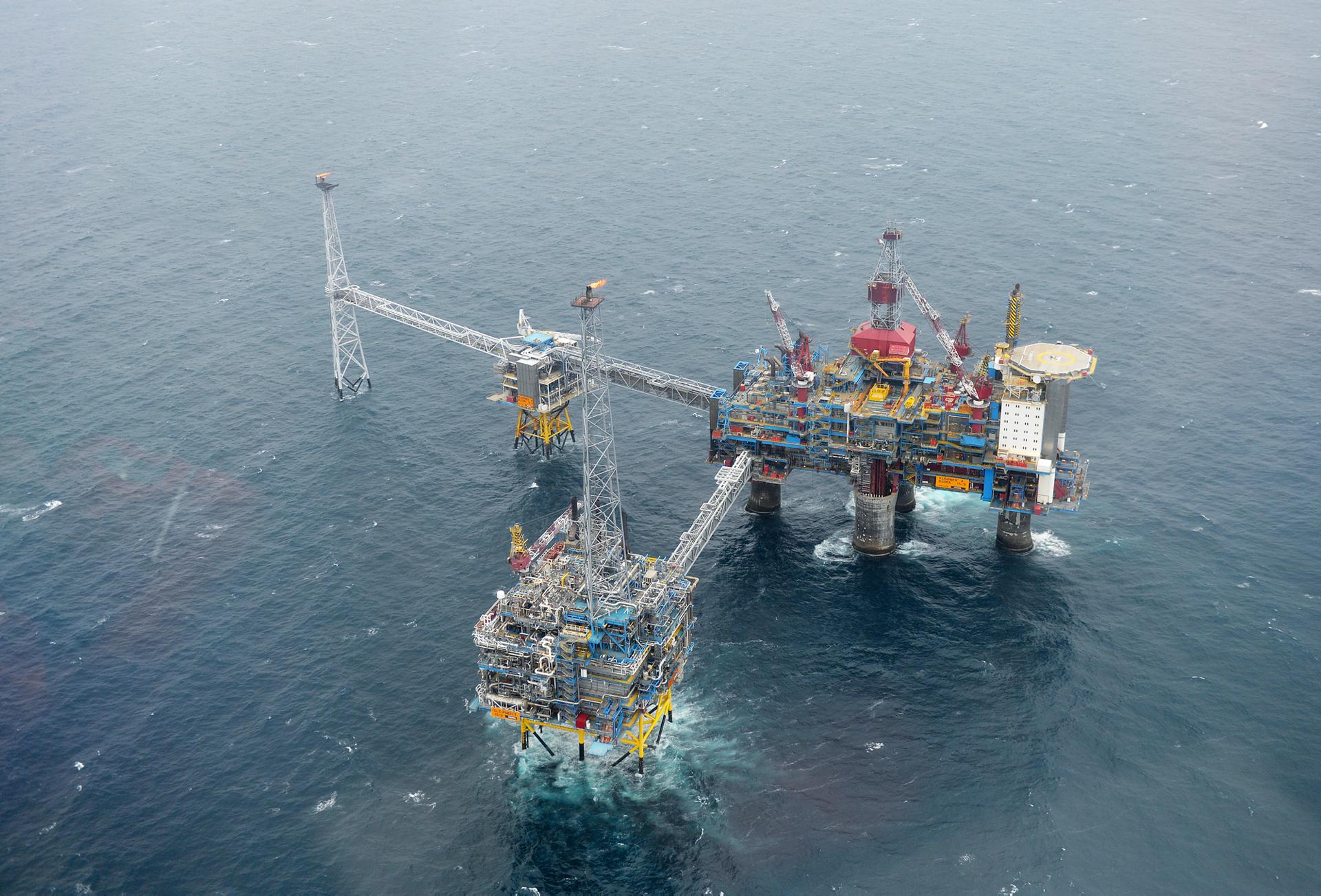
Image Source: Equinor Energy AS. (All rights belong to the original owner.)
Production: Gas
Operations start: 2003
Water depth: 108 m
Country: Norway
Block: 15/9
Type: Fixed steel jacket
Field
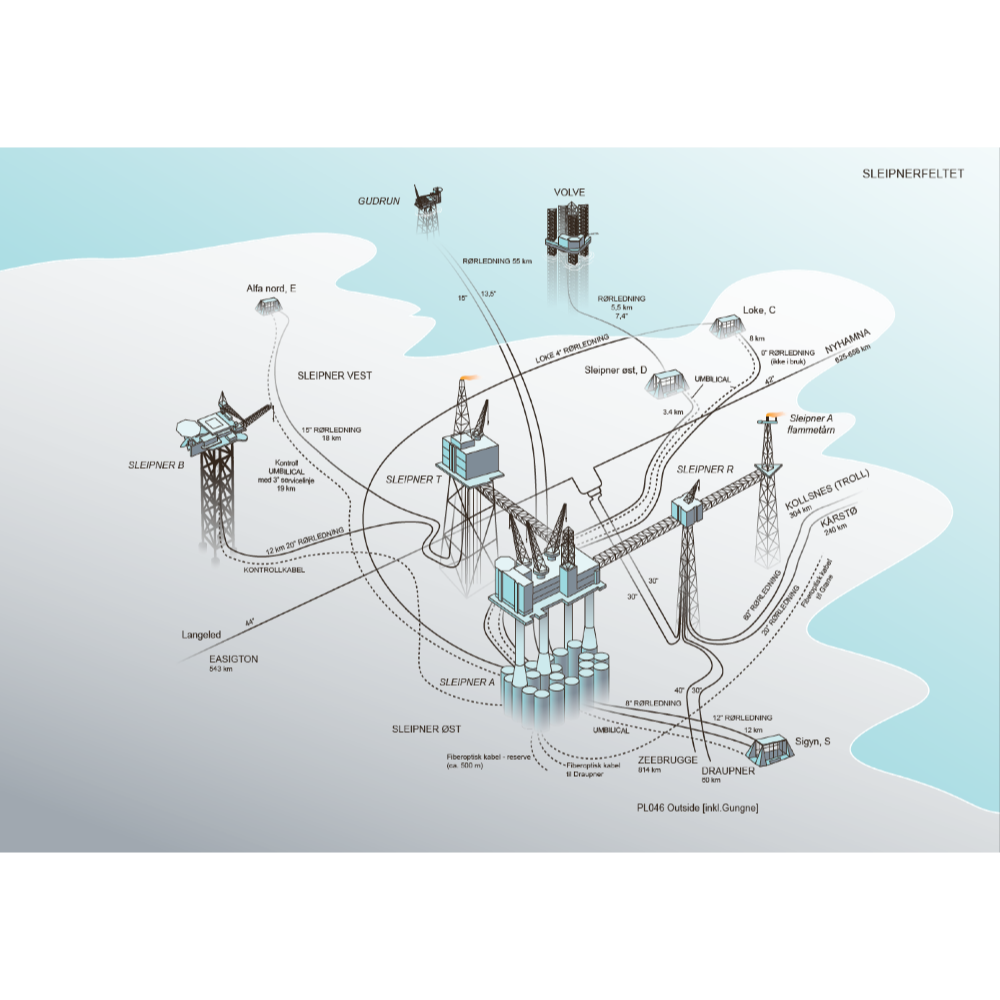
Sleipner Vest, discovered in 1974, is a gas and condensate field developed with multiple installations including B, T, A and R platforms. Reservoirs are Middle Jurassic sandstones of the Hugin Formation, producing gas for export through Gassled and condensate to Kårstø.
Facilities
Sleipner B functions as a subsea wellhead and collection point for production wells drilled in the Vest area. Fluids from B are piped ~12-km to the Sleipner T gas treatment platform or the main Sleipner A hub for separation and processing. It does not have extensive processing capacity onboard; instead, unprocessed wellstreams are routed to connected platforms for CO- removal, dehydration, and compression. Control and power for B come via umbilicals from A, enabling remote operation and periodic maintenance visits by helicopter. Subsea infrastructure includes flowlines, risers and control cables tying B to adjacent facilities. The structure includes safety and emergency shutdown systems, corrosion protection, and minimal utilities such as lighting and local instrumentation. Produced gas is routed into the Gassled export network serving continental European markets, while condensate is piped ashore for processing. Sleipner B's unmanned status reflects optimisation for the mature field's operations and efficient control from central hubs.
Similar Assets
News