Heimdal
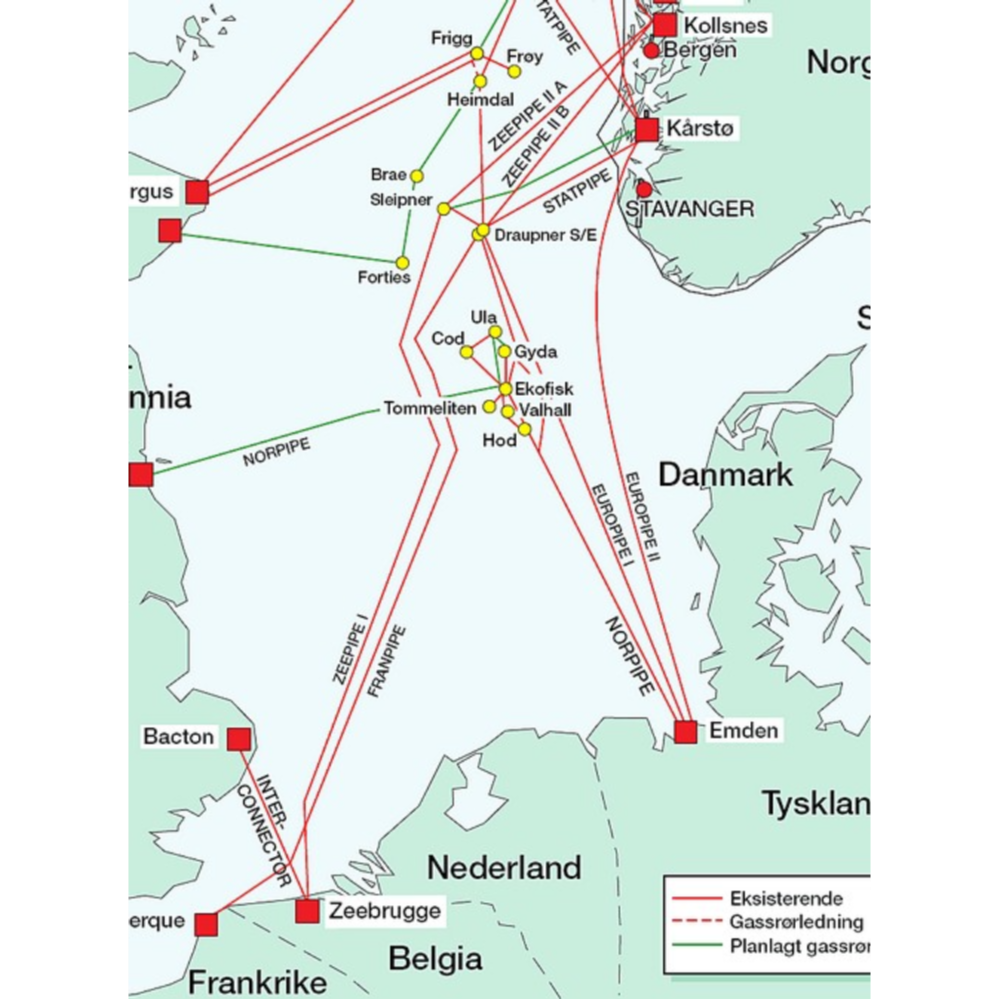
Heimdal refers to an offshore gas processing and distribution hub in the central North Sea, developed around an integrated production/processing platform and a riser facility. First gas flowed in 1986; the facility served as a major node in Norway's gas export systems, linking to Statpipe and Vesterled pipelines. Production ceased and operations wound down by 2023.
Operator: NA
Status: Decommissioned
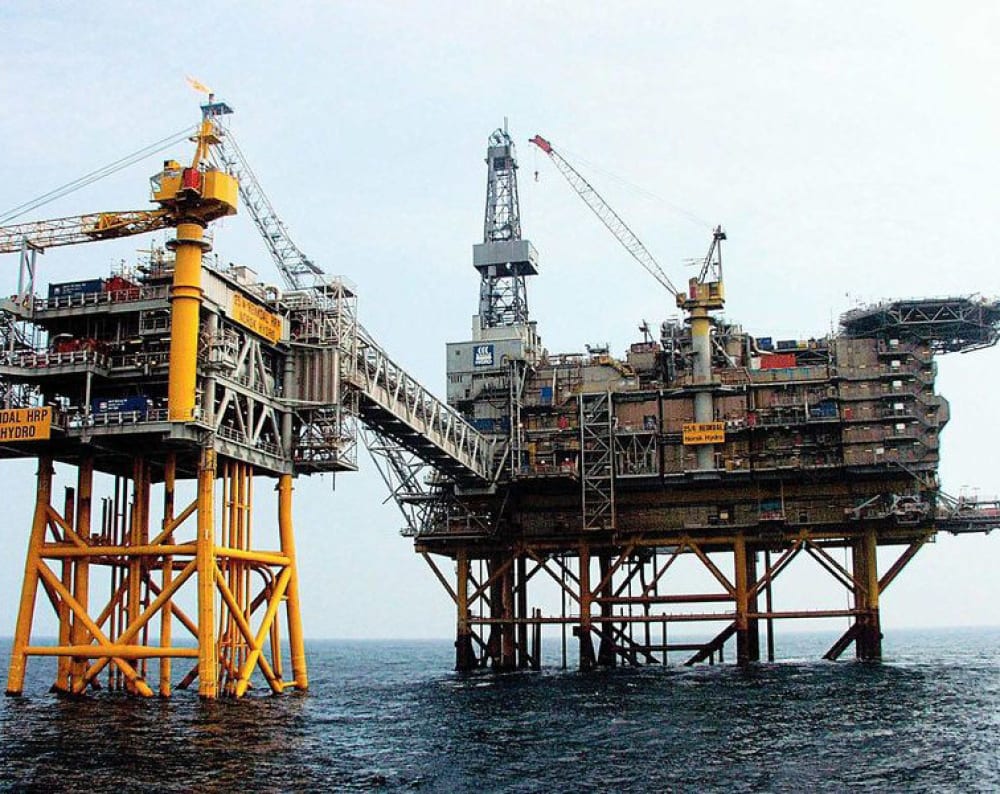
Image Source: NA. (All rights belong to the original owner.)
Production: Gas
Operations start: 1985
Water depth: 120 m
Country: Norway
Block: 25/4
Type: Fixed steel jacket
Field
The Heimdal field, discovered in 1972 and developed as part of Norway's early gas export infrastructure, produced gas and condensate from Paleocene sandstone and became a processing centre receiving additional gas from satellites (e.g., Skirne, Vale) for onward export to Europe and the UK via Statpipe and Vesterled.
Facilities
Heimdal's facilities historically comprised a main processing platform and a connected riser platform, both steel jacket structures supporting modules for gas separation, dehydration, compression and export routing. The riser platform served as an interface point for major gas pipelines feeding into the Statpipe network and the Vesterled pipeline to St. Fergus. Utilities included power generation, produced water handling, control systems and safety installations. Heimdal managed gas flows from its own wells and satellite tie-ins, conditioning and redirecting flows to onshore terminals and export pipelines. Robust topside and subsea architectures ensured stable long-term operation in ~120-m water depth, though field facilities are now in decommissioning stages with removal planned by the late 2020s.
Similar Assets
News