Ula PP
Ula PP (Production/Processing Platform) is a central integrated platform in the Ula field area of the southern Norwegian North Sea, part of a trio of Ula facilities handling drilling, production and processing. Installed in the mid-1980s, it processes oil and gas from Ula and tied-in satellite fields like Tambar, Oda and Blane.
Operator: Aker BP ASA
Status: Operational
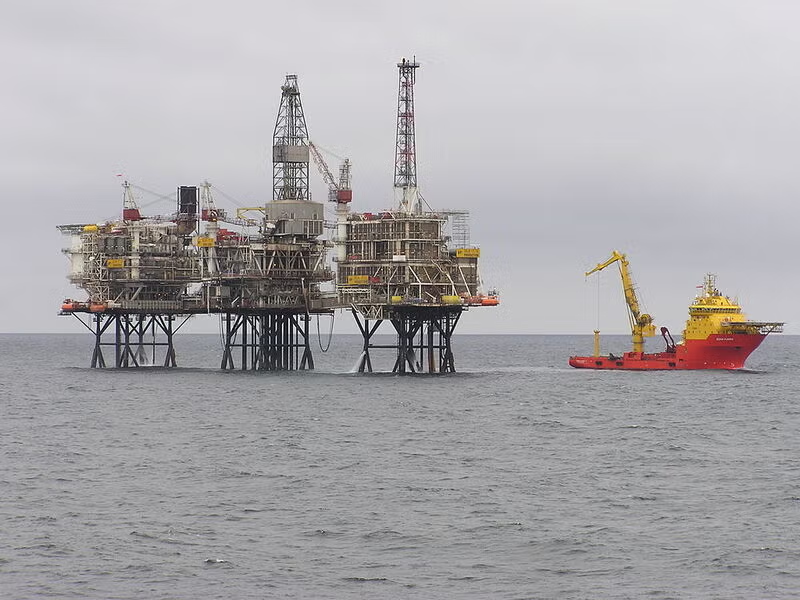
Image Source: Aker BP ASA. (All rights belong to the original owner.)
Production: Oil
Operations start: 2002
Water depth: 71 m
Country: Norway
Block: 7/12
Type: Fixed steel jacket
Field
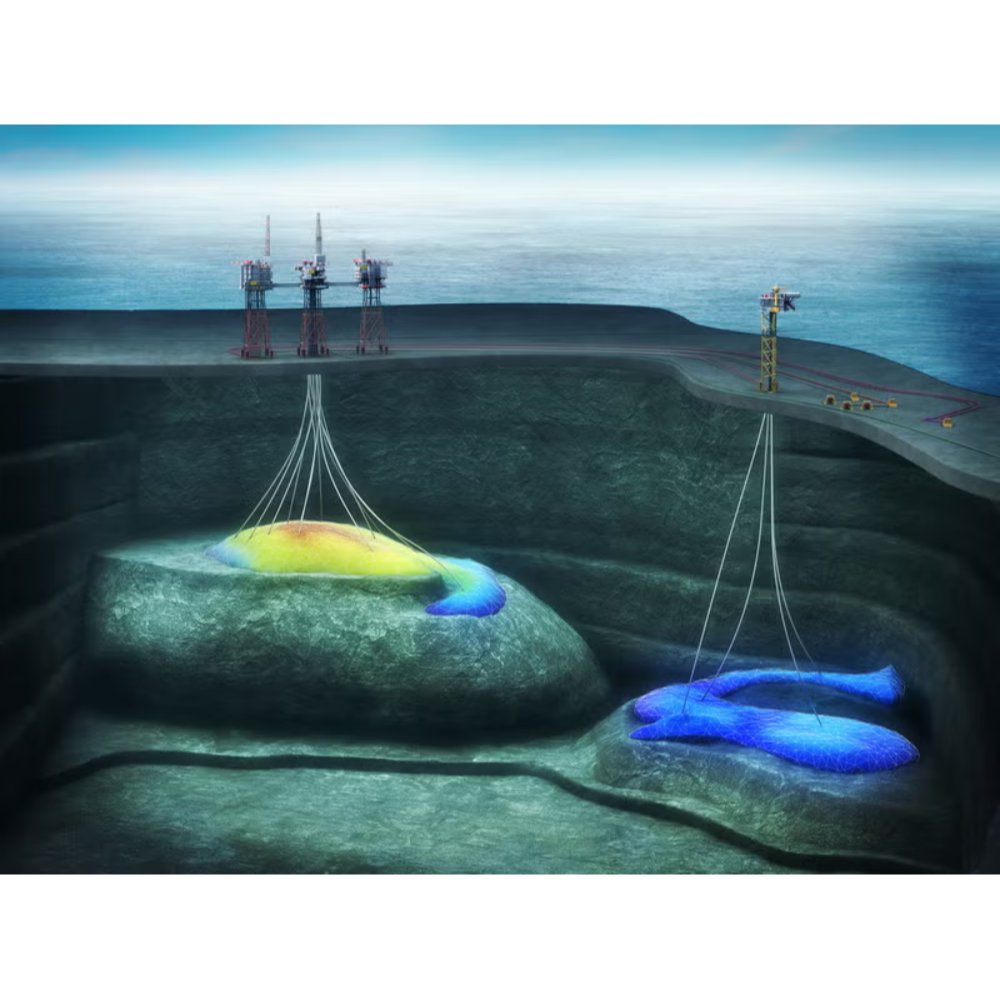
The Ula field, discovered in 1976, lies in the southern Norwegian North Sea in ~70-m water depth. It produces oil and associated gas from Upper Jurassic sandstone reservoirs. Ula serves as a production hub for subsea satellites such as Tambar, Oda and Blane, enabling reservoir support and export.
Facilities
Ula PP hosts the primary processing and production systems for the Ula area, integrating multiple wellstreams from production wells and subsea tie-backs. The platform's topsides include multiphase separation, gas compression, dehydration and gas reinjection systems; stabilised crude is metered and routed into export lines via Ekofisk and onward to Teesside (UK). Utilities encompass power generation, produced water treatment, water-alternating-gas (WAG) and gas-lift support systems to enhance recovery, and control systems integrated across wing platforms. Subsea infrastructure comprises flowlines and umbilicals connecting to satellites like Tambar's unmanned wellhead platform. The rig also includes accommodation modules and safety shutdown systems designed for extended field life into the late 2020s.
Similar Assets
News