Heidrun STL-II
Heidrun STL-II is an offshore loading system (buoy) associated with the Heidrun oil and gas field in the Norwegian Sea. It functions as a dedicated crude oil offloading point from field infrastructure to shuttle vessels. The facility remains in service and supports export operations using buoy-connected hoses in the field's deepwater environment.
Operator: Equinor Energy AS
Status: Decommissioned
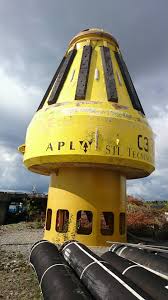
Image Source: Equinor Energy AS. (All rights belong to the original owner.)
Production: Oil
Operations start: 2014
Water depth: 353 m
Country: Norway
Block: 6507/7
Type: Floating (SPM)
Field
The Heidrun field lies on Haltenbanken in the Norwegian Sea, discovered in 1985 and producing both oil and gas since 1995. Developed with a large concrete tension-leg platform and subsea templates, it produces from Jurassic-age sandstone reservoirs with associated gas exports via pipeline and oil export via FSU/offloading systems.
Facilities
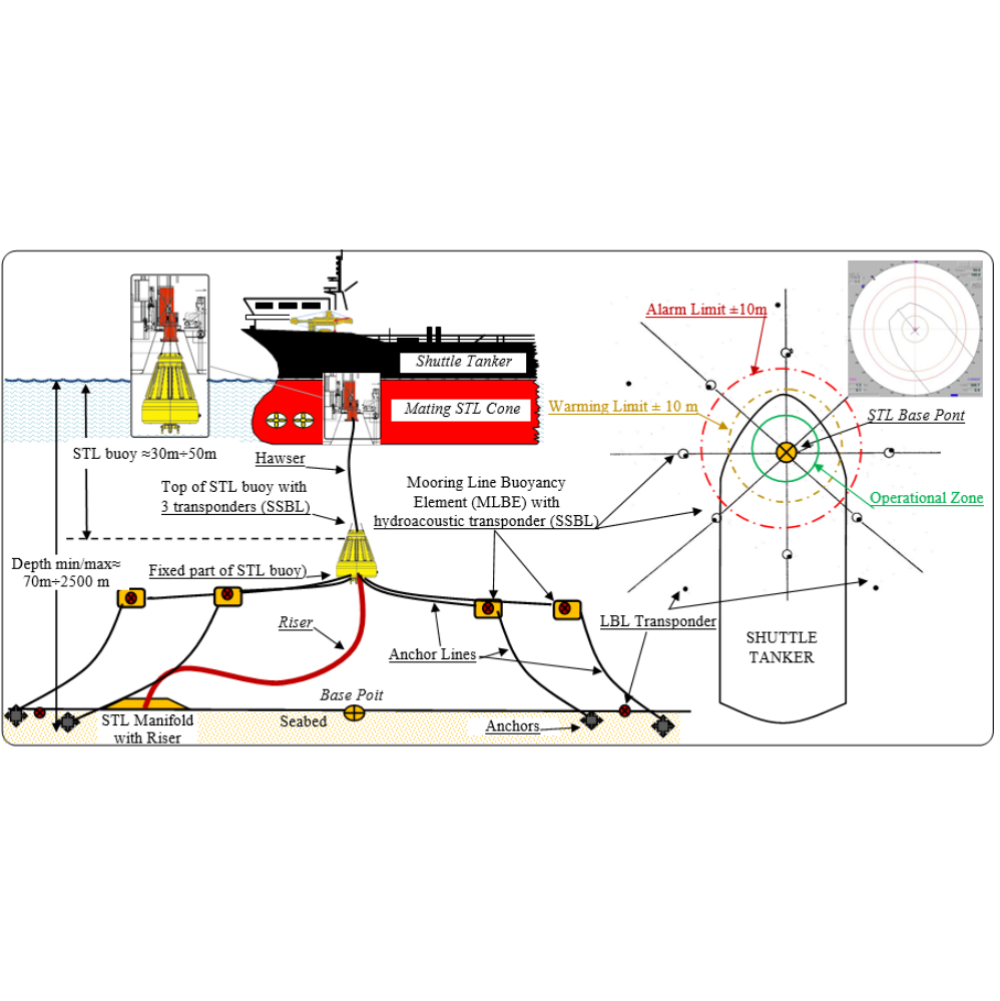
Heidrun STL-II is categorised as a loading system rather than a traditional production platform. It provides a stationary offloading point integrated with Heidrun's production infrastructure, enabling shuttle tankers to take on crude oil produced and processed on the nearby TLP platform and routed through subsea flowlines. Oil offloading systems comprise buoyancy elements, submerged connection hardware and flexible transfer hoses engineered for North Sea conditions. They include metering and safety systems tailored for custody transfer, emergency shutdowns and hose handling. These facilities work in concert with Heidrun's permanent floating storage and offloading vessel (Heidrun B) and the tension-leg platform's topside separation, water/gas injection and export pipelines. Utility systems for the buoy include structural moorings, umbilical interfaces and remote control integration with Heidrun's central control rooms, supporting stable long-term export operations in a harsh offshore environment.
Similar Assets
News