Aasta Hansteen
Aasta Hansteen is a deepwater truss-spar floating production, storage and offloading (FPSO) unit in the Norwegian Sea processing predominantly natural gas with some condensate. Installed and moored at ~1,300-m water depth north of the Arctic Circle, first production began in December 2018. It exports gas via the Polarled pipeline and offloads condensate to shuttle tankers.
Operator: Equinor Energy AS
Status: Operational
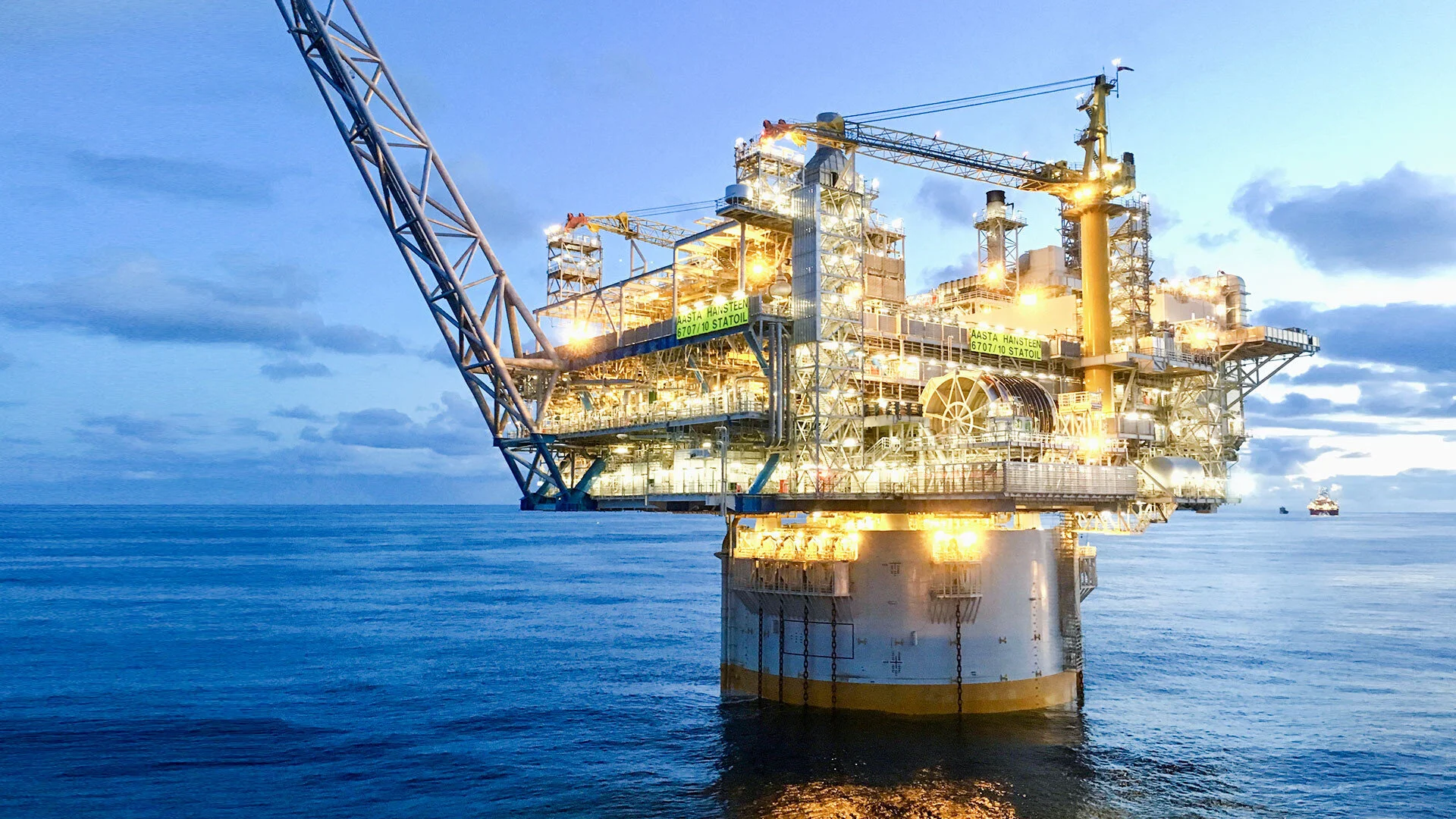
Image Source: Equinor Energy AS. (All rights belong to the original owner.)
Production: Gas
Operations start: 2015
Water depth: 1315 m
Country: Norway
Block: 6707/10
Type: Spar
Field
The Aasta Hansteen field (formerly Luva) lies ~300-km offshore Norway in the Vøring Basin of the northern Norwegian Sea. Discovered in 1997, its reservoirs are Upper Cretaceous sandstones in the Nise Formation at ~3,000-m. The development includes multiple accumulations (Luva, Haklang, Snefrid) tied back to a central spar platform, representing a large gas resource.
Facilities
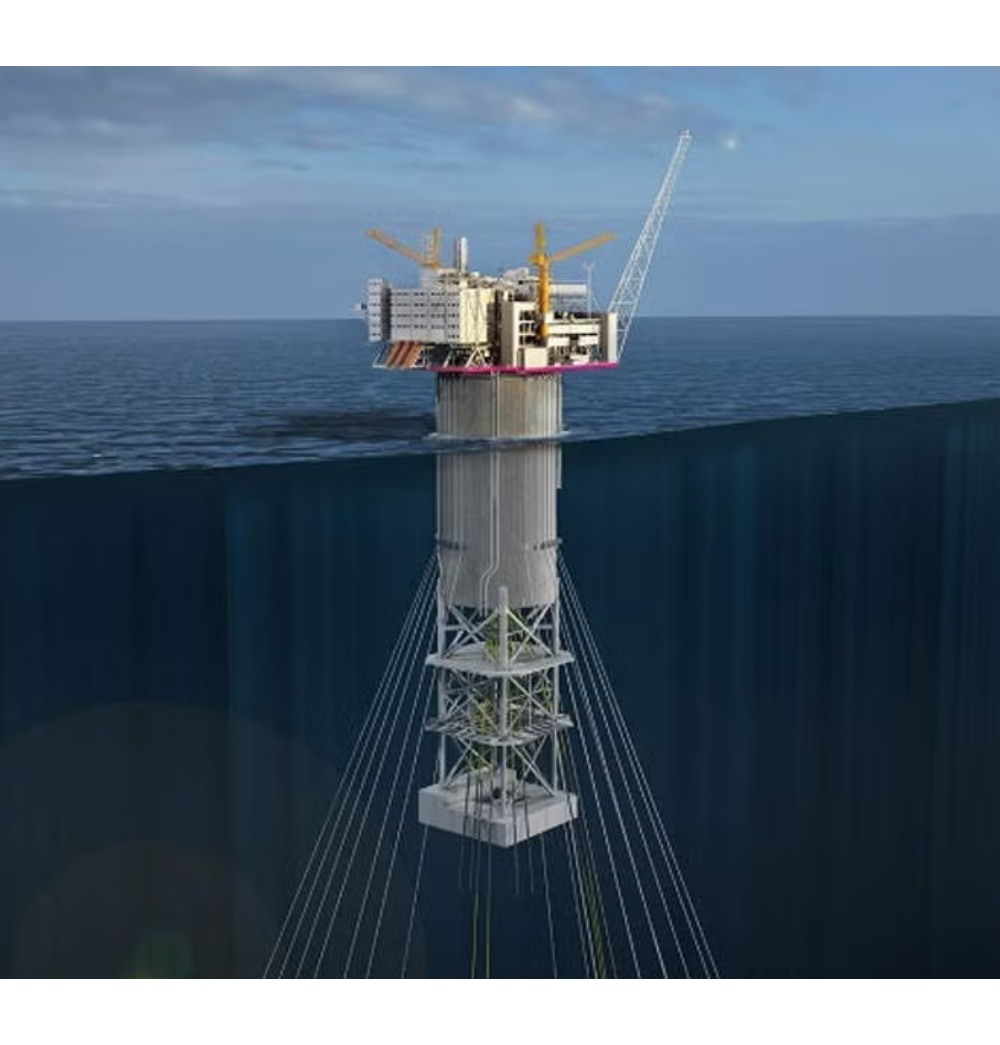
Aasta Hansteen uses a truss spar FPSO with a 339-m tall cylindrical hull moored by polyester and chain moorings. It connects via steel catenary risers to multiple subsea templates with production wells tied back to the spar. Gas processing (separation and dehydration) occurs topside before export through the Polarled pipeline to Nyhamna onshore. Condensate is stored in the hull and offloaded to shuttle tankers. Utility systems include power generation, boiler and water handling, flare system, and topside living quarters. Its design accommodates future risers and tie-backs.
Similar Assets
News