Gjøa
Gjøa is a semi-submersible production platform operating in the northern part of the Norwegian North Sea, producing both gas and oil. Installed in 2010, the platform is partly powered from shore and acts as a processing hub for its own field and tied-back satellites.
Operator: Neptune Energy Norge AS
Status: Operational
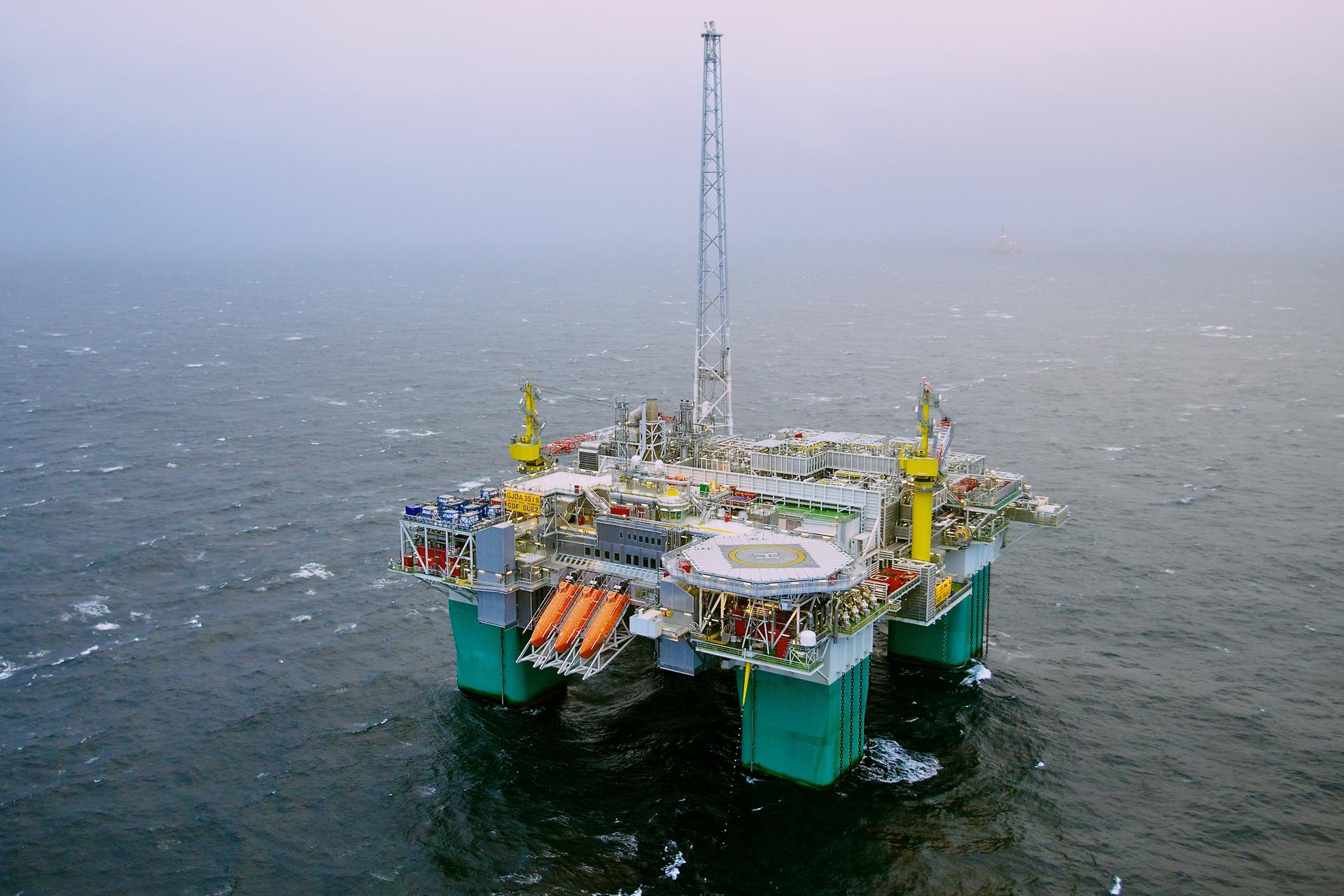
Image Source: Neptune Energy Norge AS. (All rights belong to the original owner.)
Production: Oil
Operations start: 2009
Water depth: 360 m
Country: Norway
Block: 35/9
Type: Semi-sub
Field
The Gjøa field was discovered in 1989 in ~360-m water depth and developed with a semi-submersible facility. The reservoir comprises Jurassic sandstones of the Dunlin, Brent, and Viking groups, with associated oil and significant gas volumes. PDO approval was in 2007 and production began in 2010.
Facilities
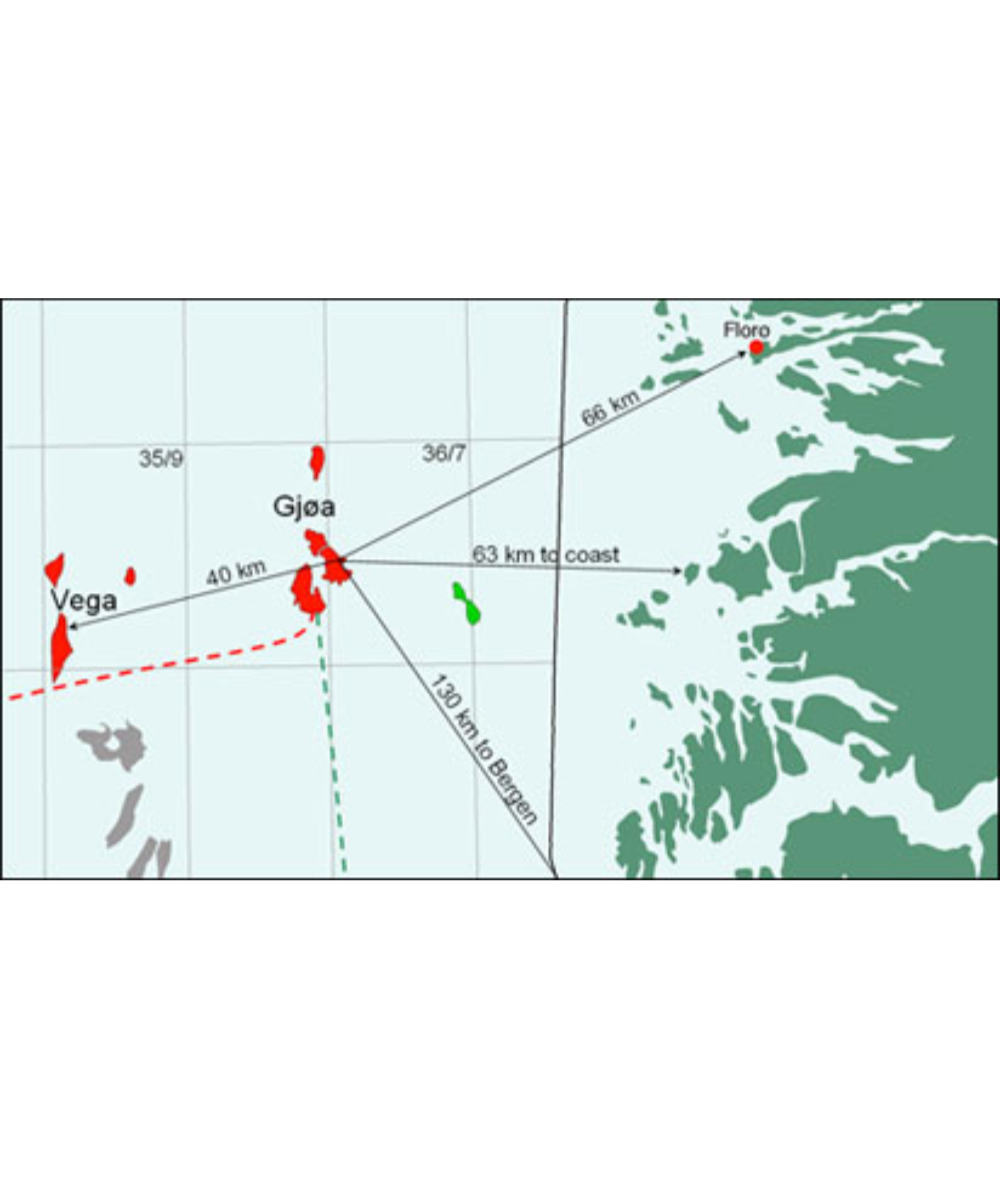
The Gjøa installation consists of a semi-submersible topside with processing modules tied to subsea templates feeding into separation trains. Multiple production wells on five subsea templates deliver hydrocarbons to the platform where primary separation, gas compression, and stabilisation occur. Oil is exported via connection to the Troll Oil Pipeline II to the Mongstad terminal, and gas is exported through the FLAGS pipeline to the St Fergus UK terminal. Power is supplied partially from shore, reducing onsite gas turbine use; process utilities include produced water handling, gas lift support, and subsea control systems. The platform also accommodates power generation redundancy, living quarters, and safety systems for long-term operation; tied-back satellite fields such as Vega, Duva and Nova leverage the Gjøa infrastructure for processing and export.
Similar Assets
News