Q13a-A
Q13a-A is a fixed oil production platform in the Dutch North Sea, installed in 2013 to develop the Amstel oil field ~13-km offshore near Scheveningen. It produces light crude oil (with associated gas) and exports via a pipeline to nearby processing facilities. The platform also hosts innovative energy transition trials integrating offshore hydrogen production.
Operator: Neptune Energy Netherlands B.V.
Status: Operational
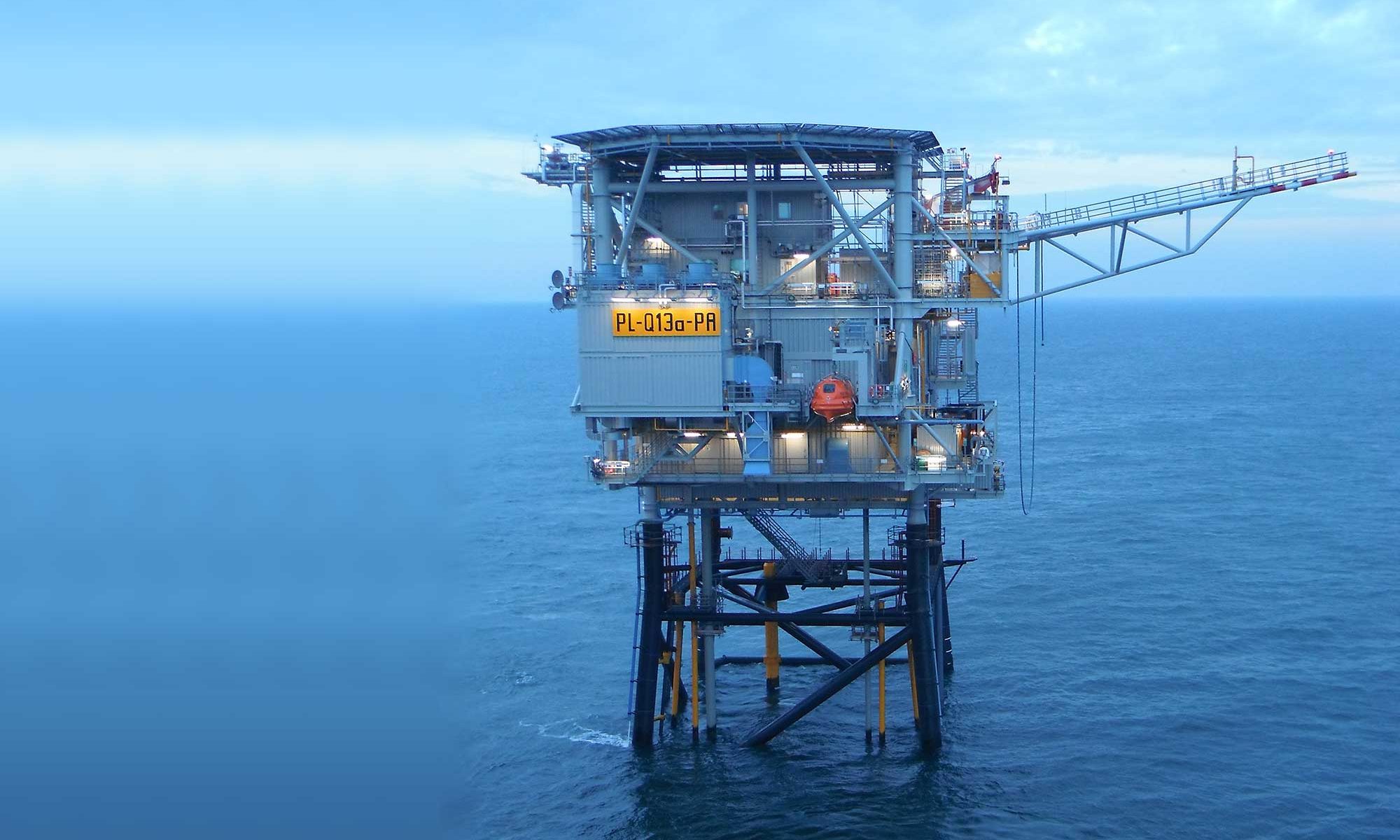
Image Source: Neptune Energy Netherlands B.V.. (All rights belong to the original owner.)
Production: Gas
Operations start: 2014
Water depth: 20 m
Country: Netherlands
Block: Q-Block
Type: Fixed steel jacket
Field
The Amstel field lies in Block Q13a in the southern Dutch North Sea, developed as a conventional oil reservoir in early Cretaceous sandstones. Discovered in 1962, the field came online in 2014 with oil exported via a subsea link to the P15 complex for processing and onward shipment to Rotterdam refineries.
Facilities
Q13a-A's facilities center on production wellheads tied into manifolds and submersible pumps downhole to lift oil to the topsides. Primary functions include crude gathering, initial stabilization, and metering for export through a 25-km subsea pipeline to the TAQA-operated P15 platform, where full separation and conditioning occur before export to shore refineries. Power is supplied via a 14-km high-voltage cable from the onshore grid, making it one of the first fully electrified offshore platforms in the Dutch sector. The structure is founded on suction anchors and designed for long-term offshore production with integrated control and safety systems, including emergency shutdown and firewater networks. Additionally, the platform is host to PosHYdon, a pilot for offshore green hydrogen production coupling wind, gas, and hydrogen systems, with hydrogen intended to blend into gas exports.
Similar Assets
News