Kikeh FPSO
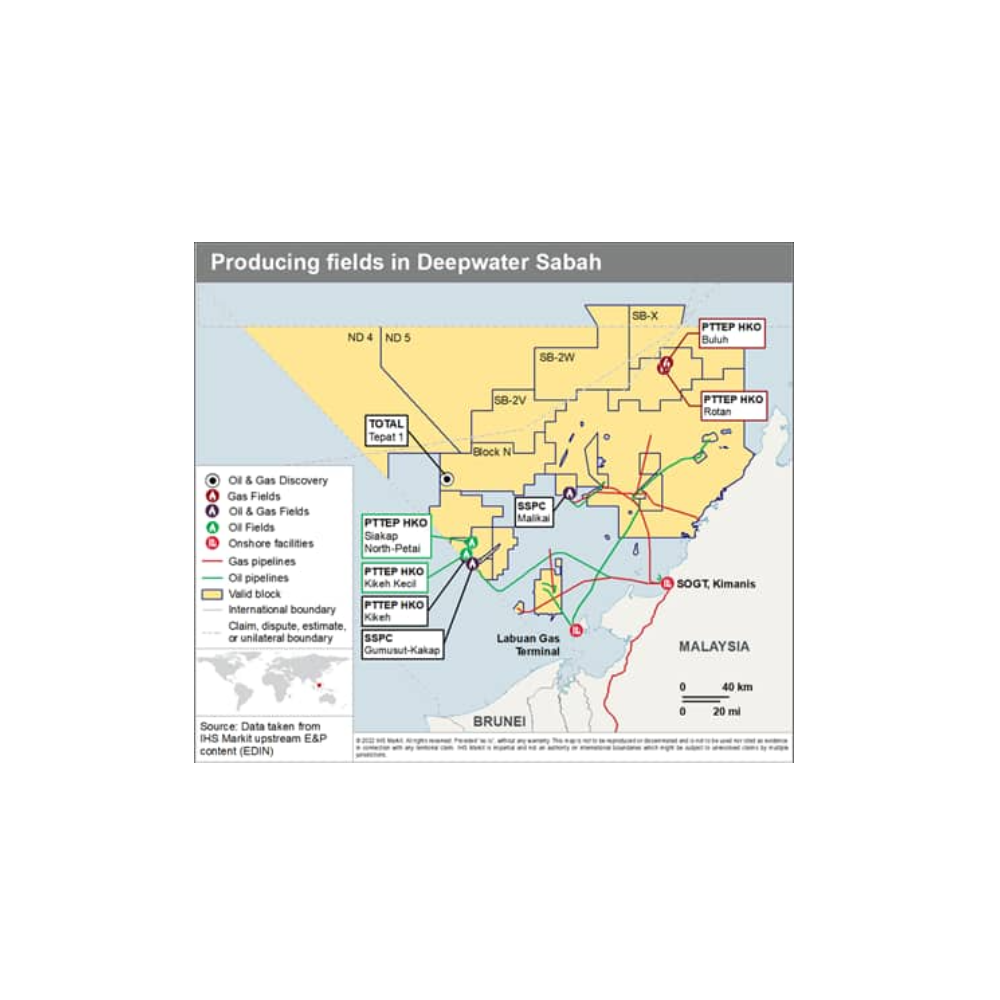
Kikeh FPSO is a converted VLCC producing, processing, storing and offloading oil with associated gas from Malaysia’s first deep-water oil development. First oil was achieved on 17 August 2007. Turret-moored about 120 kilometres offshore Sabah in approximately 1,300 metres of water, it receives fluids from the adjacent Kikeh Truss Spar and two subsea production hubs.
Operator: PTTEP / MISC
Status: Operational
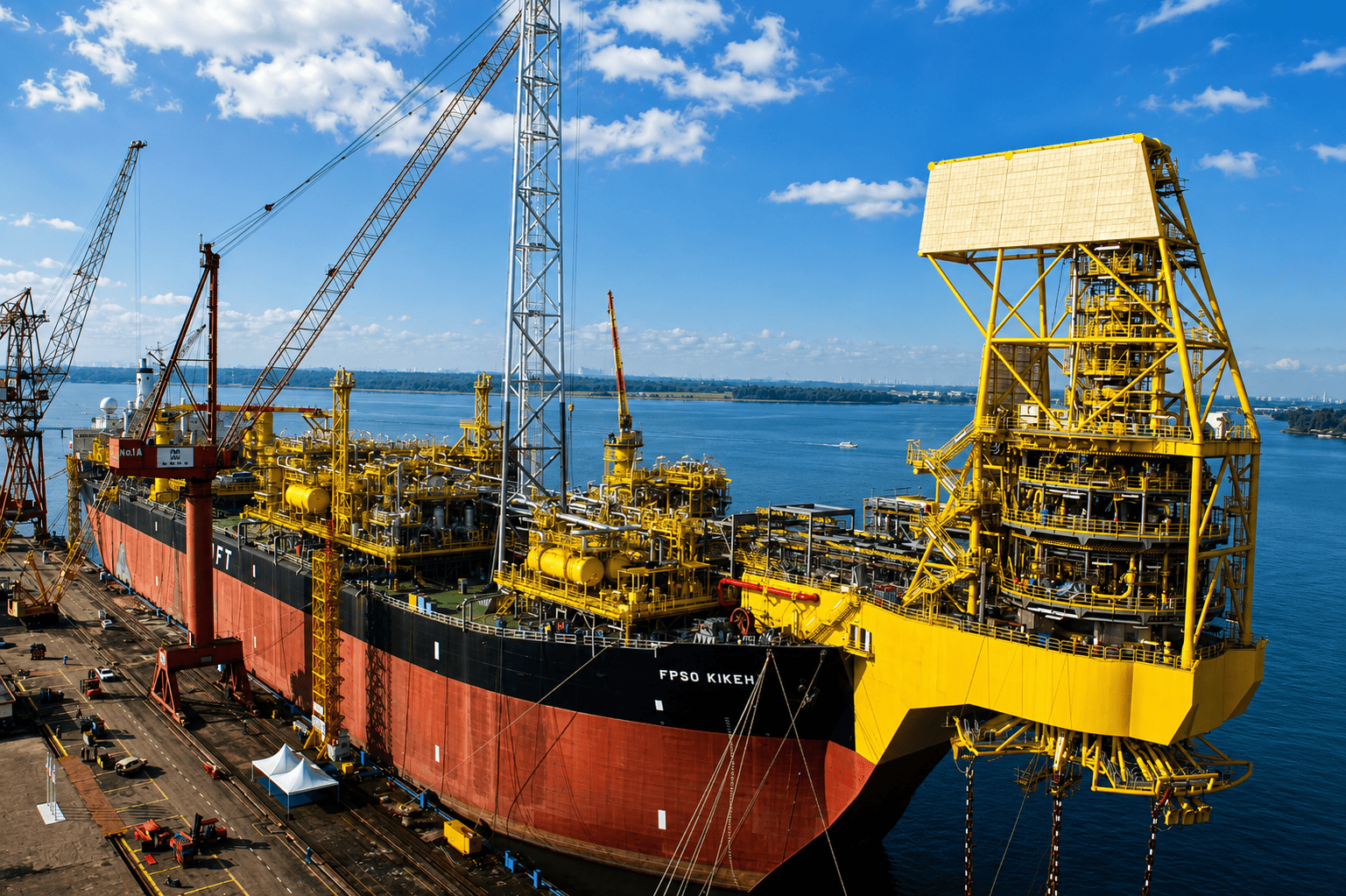
Image Source: https://mhb.com.my/solutions/conversion/. (All rights belong to the original owner.)
Production: Oil
Operations start: 2007
Water depth: 1300 m
Country: Malaysia
Block: Block K
Type: FPSO
Field
Kikeh lies in Block K offshore north-west Sabah, within the deep-water Sabah Basin fold-and-thrust province. The large oil accumulation occurs in multiple middle- to late-Miocene deep-marine sandstone horizons, including turbidite lobes interbedded with mass-transport deposits and thinner distal beds. Development combines dry-tree wells on a truss spar with subsea producers and injection wells tied to a central FPSO.
Facilities
The Kikeh development was planned around 34 wells and combines 18 dry-tree wells on the Kikeh Truss Spar with 16 subsea wells at two production hubs. The spar has 24 well slots and provides direct surface access for drilling and intervention. Dry-tree production and injection services are transferred between the spar and FPSO through flexible lines and the Gravity Actuated Pipe system; additional flexible risers and umbilicals connect the subsea producers, water injectors and gas-injection facilities. The FPSO’s topsides provide oil, gas and water separation, crude treatment and stabilisation, associated-gas compression, gas lift, produced-water handling, seawater treatment and high-pressure water injection. Water injection supports wells at both the spar and subsea centres, while compressed gas is used for gas lift, reservoir injection and onboard fuel. Production and injection metering, chemical injection, electrical generation, flare and relief equipment, subsea controls and marine systems support the development. The vessel was converted from a 273,409-deadweight-tonne single-hull VLCC and has approximately two million barrels of crude-storage capacity. A large external turret mooring system allows the hull to weathervane while carrying production, injection and control risers in approximately 1,300–1,350 metres of water. Stabilised crude is stored in cargo tanks and transferred through a floating offloading hose to shuttle tankers. No permanent oil-export pipeline to shore is installed, and associated gas is managed within the field rather than through a sales-gas export line.
Similar Assets
News