Hasbah
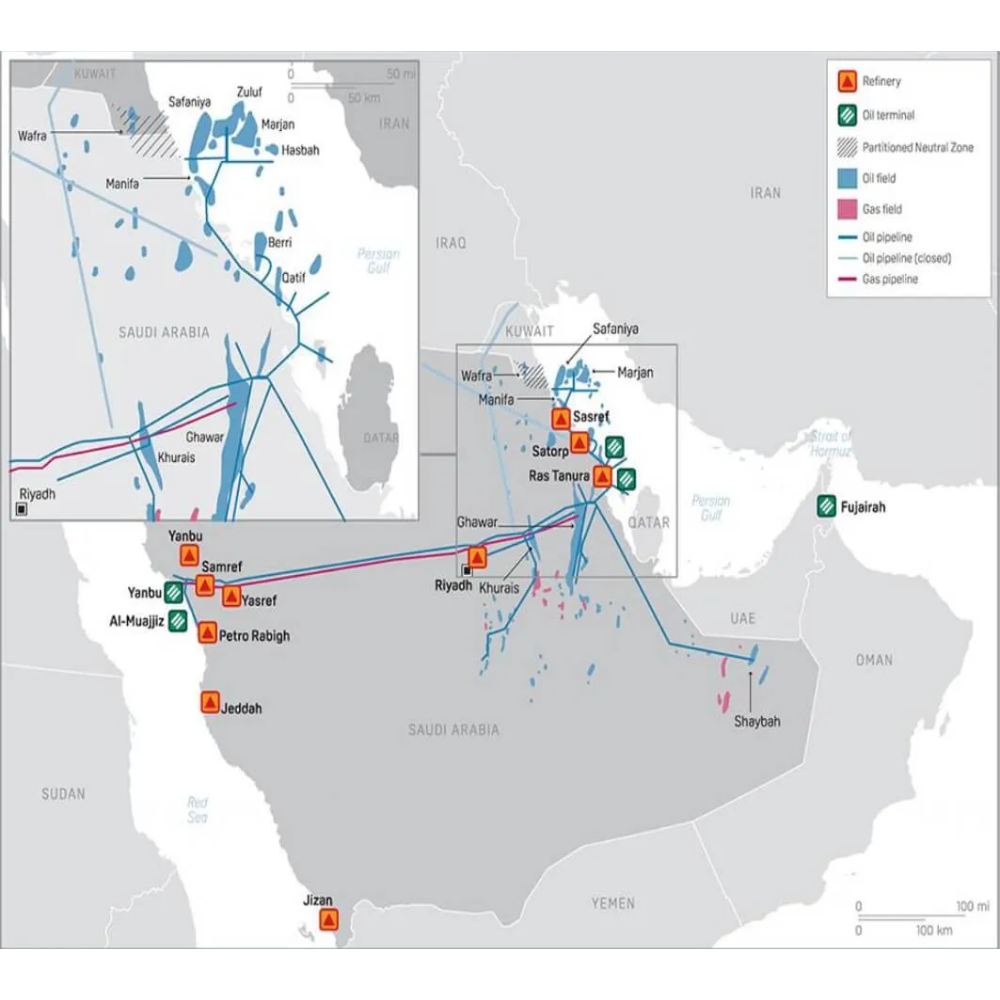
Hasbah is a shallow-water offshore non-associated sour-gas development about 150 kilometres northeast of Jubail in the Saudi Arabian Gulf. Gas production began in October 2015. Groups of unmanned fixed wellhead platforms feed offshore tie-in platforms, from which untreated gas is exported through 36-inch trunklines to the onshore Wasit and Fadhili gas-processing plants.
Operator: Saudi Aramco
Status: Operational
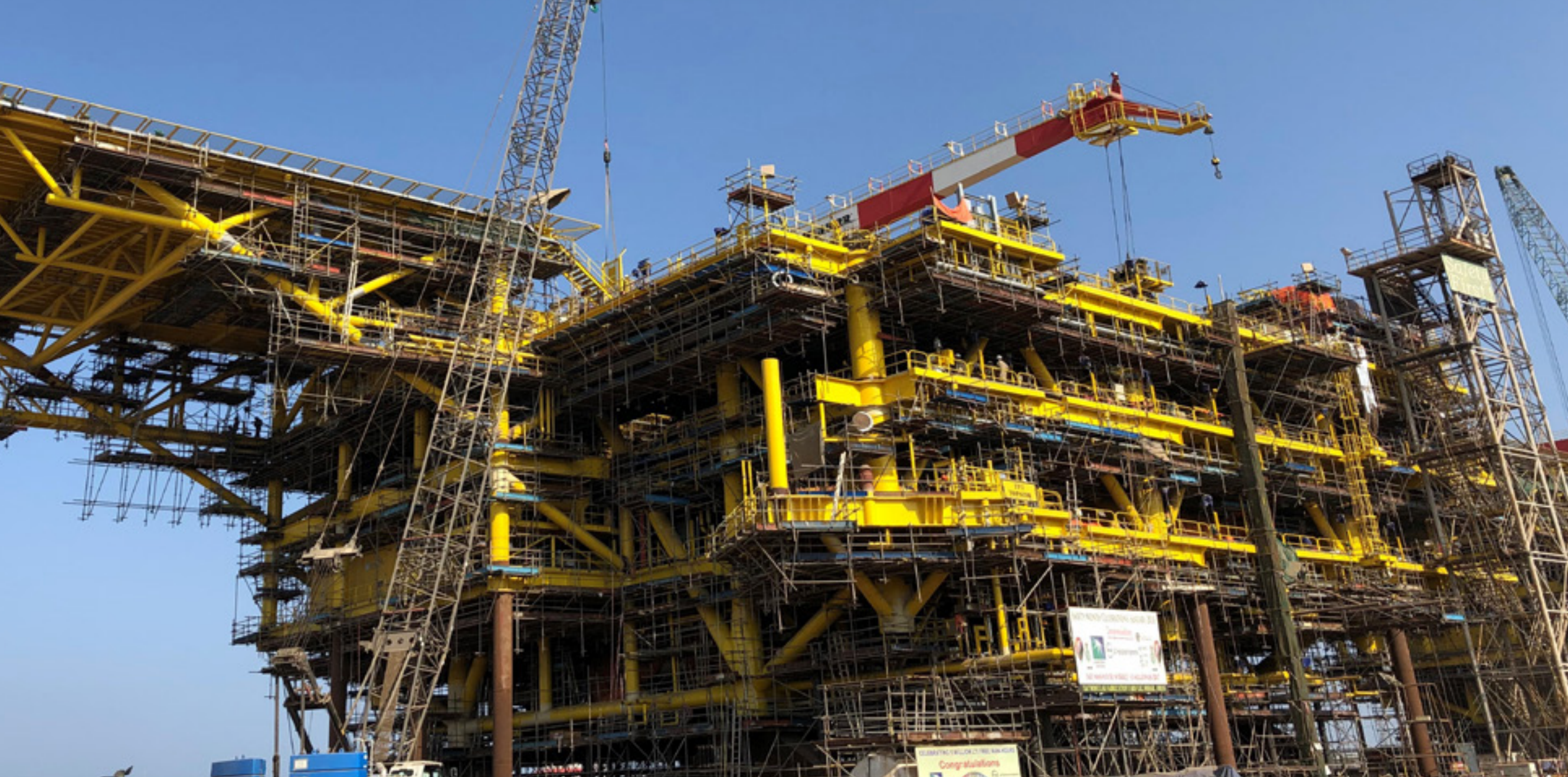
Image Source: Subsea 7: Hasbah Offshore Gas Facilities Increment-II. (All rights belong to the original owner.)
Production: Gas
Operations start: 2015
Water depth: 65 m
Country: Saudi Arabia
Block: Hasbah Field
Type: Onshore
Field
Hasbah, discovered in 2008, is a large, high-pressure gas accumulation within the regional Permian Khuff carbonate play. It was the third major offshore Khuff discovery in the area. The field is developed using a single-wellhead concept on widely spaced fixed production platforms, enabling vertical wells to drain the reservoir before sour gas is gathered at common tie-in platforms.
Facilities
Hasbah is developed with eight fixed offshore gas-production platforms connected to common tie-in facilities. The wellhead platforms support high-pressure gas wells, surface trees, production manifolds, wellhead-control panels and chemical-injection connections. Flowlines carry raw sour gas to the tie-in platforms, which consolidate the streams and provide isolation, pigging and export-pipeline interfaces. Subsea cables and umbilicals distribute power, control, communications and chemical services between the offshore structures. The original gathering system routes gas through a tie-in platform and two 36-inch pipelines to the Wasit Gas Plant. A second permanent hub connects further Hasbah wellhead platforms through two tie-in platforms and twin 36-inch trunklines to the Fadhili Gas Plant. The offshore installations perform gathering and transport rather than full sales-gas processing. Acid-gas treatment, dehydration and sulphur recovery are undertaken onshore; Wasit was designed specifically for non-associated gas, while Fadhili incorporates integrated gas-treatment and high-efficiency sulphur-recovery trains. Offshore support equipment includes local electrical and hydraulic systems, metering, monoethylene-glycol and corrosion-control chemical injection, emergency shutdown, fire-and-gas detection, pressure relief, telecommunications and navigation aids. The wellhead and tie-in platforms are normally unattended and contain no hydrocarbon storage, living quarters or tanker-loading facilities. All produced gas leaves through fixed pipelines and enters Saudi Arabia’s onshore gas network after processing at Wasit or Fadhili.
Similar Assets
News