Xikomba FPSO
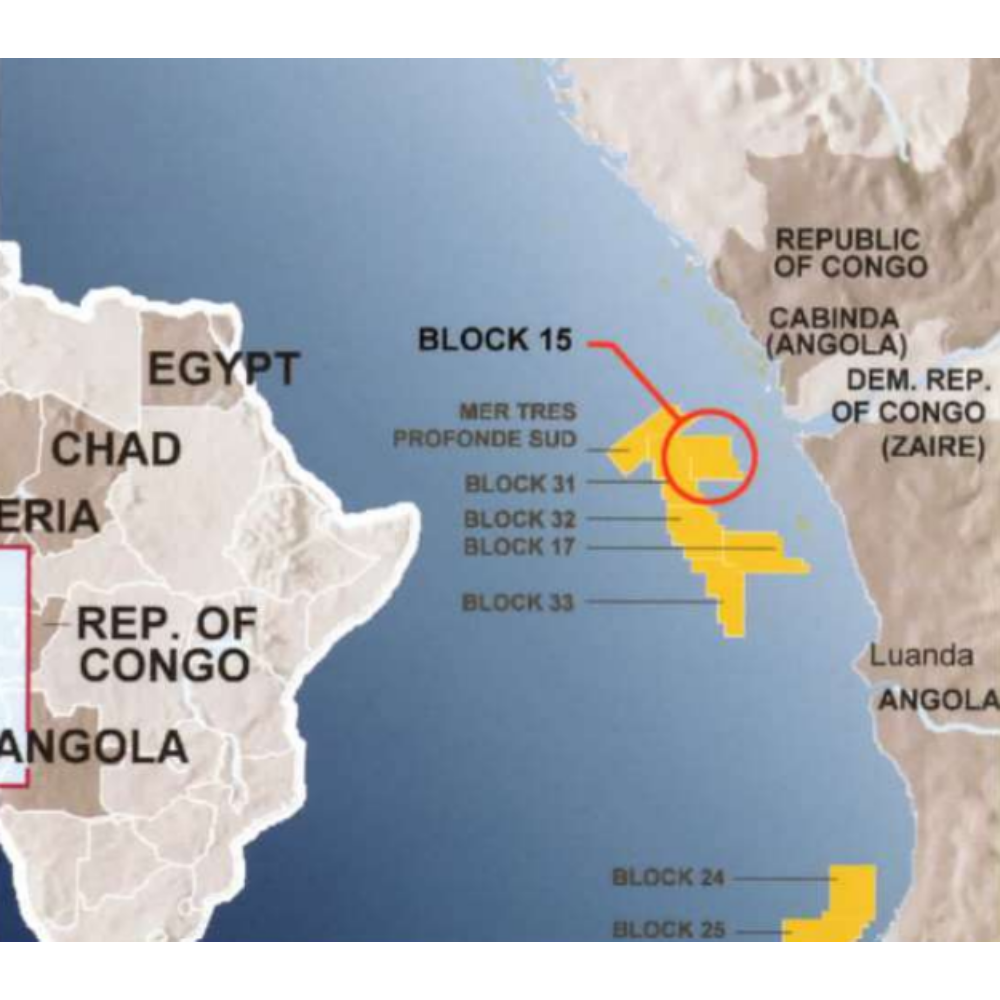
A converted VLCC FPSO that served the standalone Xikomba oil development in Angola’s deepwater Block 15. First oil was achieved in the fourth quarter of 2003. Turret-moored in approximately 1,300 metres of water, it received fluids from nine subsea wells, separated oil, gas and water, stored treated crude and exported it by tanker. The vessel was disconnected in 2011 and later rebuilt as N’Goma.
Operator: ExxonMobil
Status: Decommissioned
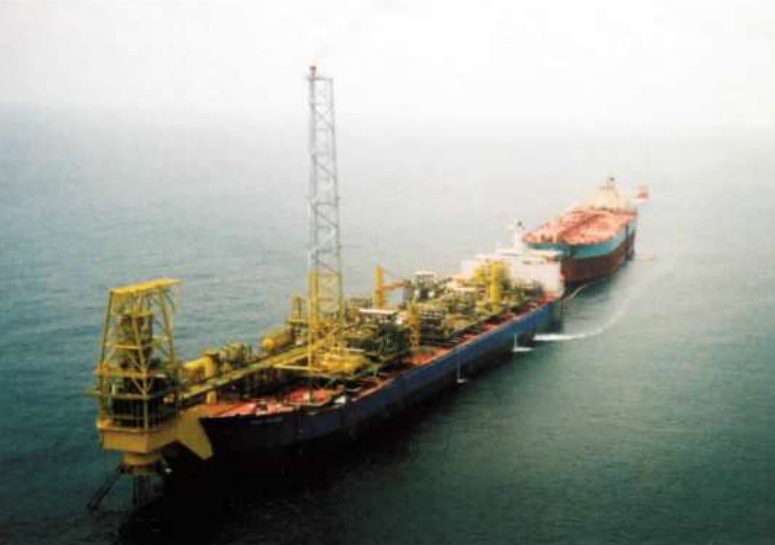
Image Source: Introduction to FPS0 XIKOMBA, www.singlebuoy.com. (All rights belong to the original owner.)
Production: Oil
Operations start: 2003
Water depth: 1300 m
Country: Angola
Block: Block 15
Type: FPSO
Field
Xikomba lies about 370 kilometres northwest of Luanda in the Lower Congo Basin, in water depths of approximately 1,180–1,480 metres. The now-depleted oil accumulation is hosted in stacked Middle to Lower Miocene deepwater turbidite sandstones and associated debris-flow deposits. Its standalone development used four subsea producers, four water injectors and one gas injector tied directly to a single FPSO, with gas lift and injection supporting recovery.
Facilities
The Xikomba subsea system comprised four production wells, four water-injection wells and one gas-injection well. Two 10-inch production risers, two 8-inch water-injection risers, one 8-inch gas-injection riser and three control umbilicals entered the turret; provision was included for an additional umbilical. The turret’s fixed section carried the mooring lines and subsea connections, while bearings allowed the vessel to weathervane and a swivel stack transferred production, test, injection, utility and electrical services to the rotating hull. Sixteen topsides modules provided high-pressure and interstage separation, low-pressure separation, electrostatic crude treatment, gas dehydration, flash-gas compression, gas injection and gas lift, produced-water treatment, seawater treatment, water-injection pumping, chemical systems, test separation, fiscal metering and flare-gas knockout. Separated gas was compressed for subsea injection and gas lift, with part used as fuel. Produced water was degassed and settled before discharge. Injection seawater was lifted through submerged pumps, filtered and vacuum-deaerated before reservoir injection. Two dual-fuel turbine generators supplied topsides power. Export-quality crude was stored in twelve cargo tanks with approximately 1.7–1.8 million barrels of capacity and transferred through a floating stern hose to an offloading tanker. Marine utilities included steam, fresh water, firewater, foam and diesel systems. The accommodation housed up to 85 people and included central control and working spaces.
Similar Assets
News