CLOV FPSO
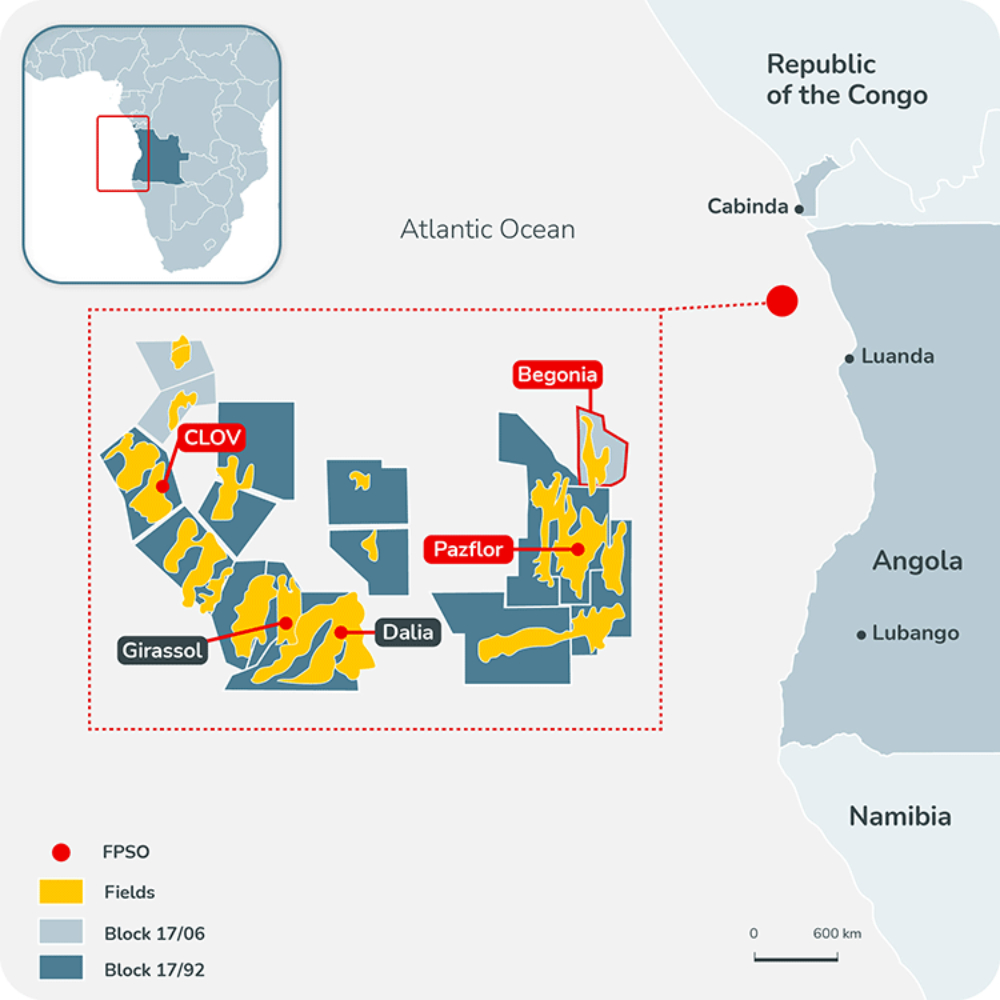
CLOV FPSO is a ship-shaped floating production, storage and offloading vessel serving the Cravo, Lirio, Orquidea and Violeta fields in Angola’s Block 17. First oil was achieved in June 2014. Spread-moored in approximately 1,290 metres of water, it processes oil and associated gas from subsea wells, stores crude for tan. citeturn999019search2turn896068search8turn999019search25
Operator: TotalEnergies
Status: Operational
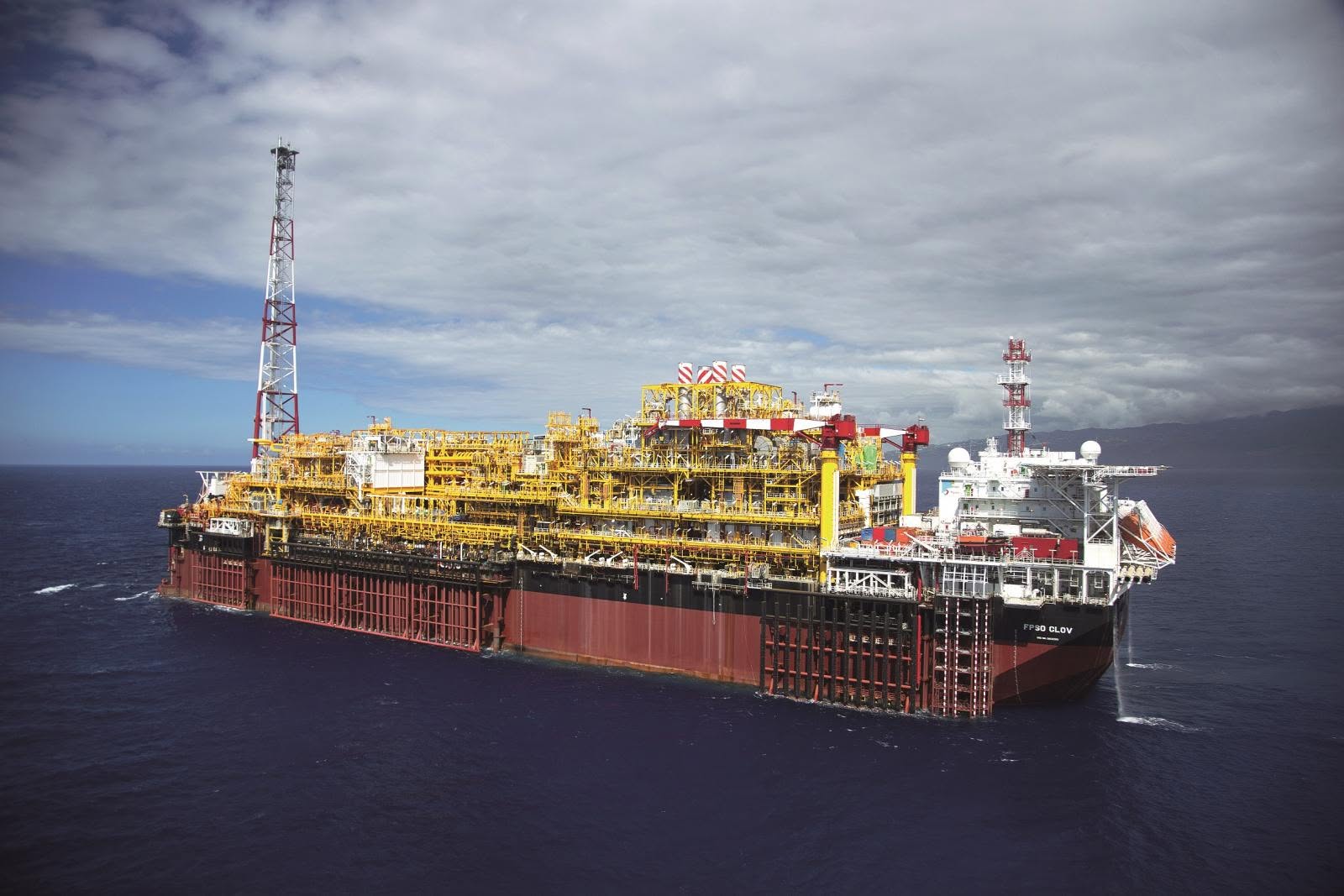
Image Source: Facebook: Manup. (All rights belong to the original owner.)
Production: Oil & Gas
Operations start: 2014
Water depth: 1290 m
Country: Angola
Block: Block 17
Type: FPSO
Field
The CLOV fields lie about 140 kilometres offshore Angola in the deep-water Lower Congo Basin. Their reservoirs are Oligocene and Miocene deep-marine turbidite sandstones containing oils of differing density and viscosity. Cravo, Lirio and part of Orquidea are dominated by Oligocene intervals, while Miocene reservoirs are also developed, notably at Violeta. Thb. citeturn896068search0turn896068search6turn896068search8
Facilities
The original CLOV development comprised 34 subsea wells: 19 producers and 15 water injectors. Eight subsea manifolds and approximately 180 kilometres of production, injection and service pipelines connect the four fields to the FPSO. The heavier Orquidea and Violeta fluids receive additional pressure and flow support from a seabed helico-axial multiphase pumping system. Electro-hydraulic umbilicals provide well control, monitoring and chemical services. The topsides separate oil, gas and produced water and stabilise the differing crude streams for common storage. Installed gas facilities provide treatment and compression before associated gas enters a subsea export connection linked to the Block 17 gas network and the Angola LNG plant at Soyo. Reservoir-pressure support is based on extensive water injection. Dedicated ultrafiltration and sulphate-removal packages condition seawater before injection, while treated produced water is also used within the injection scheme. CLOV uses an all-electric process architecture, with variable-speed electrical drives serving major topside equipment and the subsea multiphase pumps. Other permanent systems include production and export metering, chemical injection, electrical generation and distribution, flare and relief equipment, seawater lift, firewater, fire-and-gas detection, emergency shutdown, integrated process and subsea controls, cargo handling and living quarters. The approximately 305-metre-long and 61-metre-wide hull stores about 1.78 million barrels. Sixteen anchor chains form its spread-mooring system. Stabilised crude is transferred from the cargo tanks to export tankers.
Similar Assets
News