
Corral
Online
Operator:
ENI
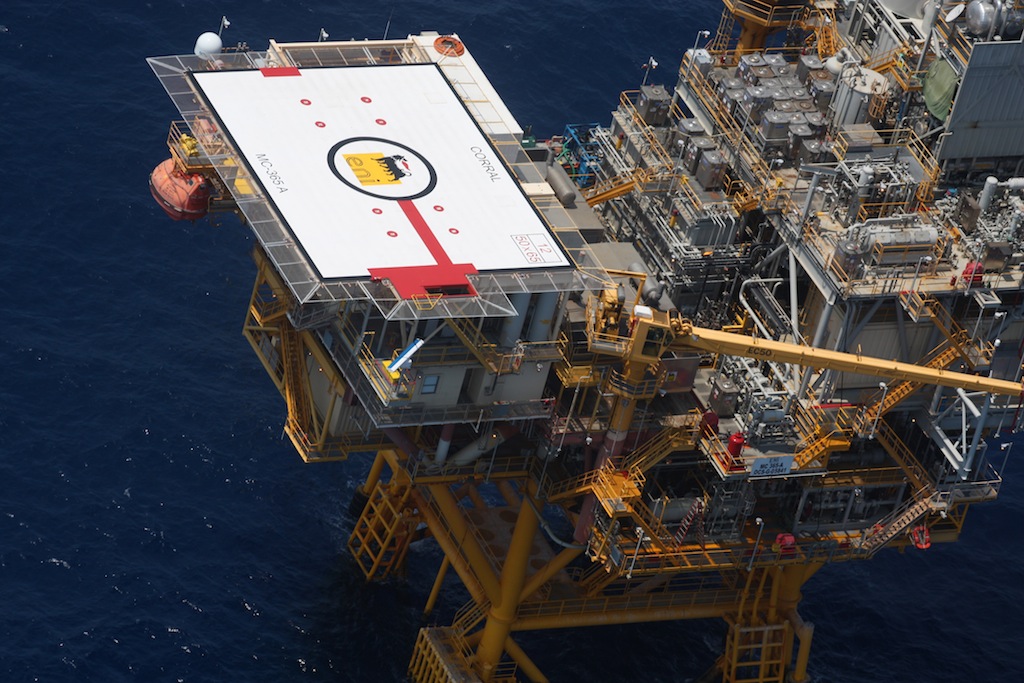
Image Source: https://primeoccmed.com/gulf-of-mexico-off-shore-medical-services/ (All rights belong to the original owner.)


Type:
Oil & Gas
Design:
Fixed steel jacket
Installed:
1992
Facility:
Production
Water Depth:
1100
meters
Country:
USA - New Orleans District
Block:
MISSISSIPPI CANYON 60. Block 365
Intro
Corral is a deepwater subsea tie-back development in the Gulf of Mexico, producing oil and gas through connection to an existing host platform. Brought online in the 2000s, it operates as a satellite field with no permanent surface facility, relying on nearby floating production infrastructure for processing, compression, and export.
Field
The Corral field lies in the deepwater Gulf of Mexico, targeting Miocene-age turbidite sandstone reservoirs. The accumulation is relatively modest in scale and developed as part of a broader cluster strategy, utilizing subsea wells tied back to existing infrastructure to maximise recovery from compartmentalised channel and fan systems.
Facilities
Corral is developed using subsea production wells equipped with horizontal subsea trees and tied into a manifold system. Multiphase production is transported via insulated flowlines to a host platform for processing. At the host, fluids undergo multi-stage separation into oil, gas, and produced water. Oil is stabilised and exported via regional crude pipelines, while gas is compressed and routed through offshore gas networks. Produced water is treated prior to discharge or reinjection. Subsea infrastructure includes electro-hydraulic umbilicals supplying control signals, chemical injection, and hydraulic power. Flow assurance is managed through insulation and continuous chemical injection to mitigate hydrate and wax formation. The system is remotely operated from the host facility, with no topside processing at the field location. The tie-back design leverages existing risers, export routes, and processing capacity, reducing capital intensity while enabling efficient recovery of smaller, geologically compartmentalised reserves.
Similar Platforms


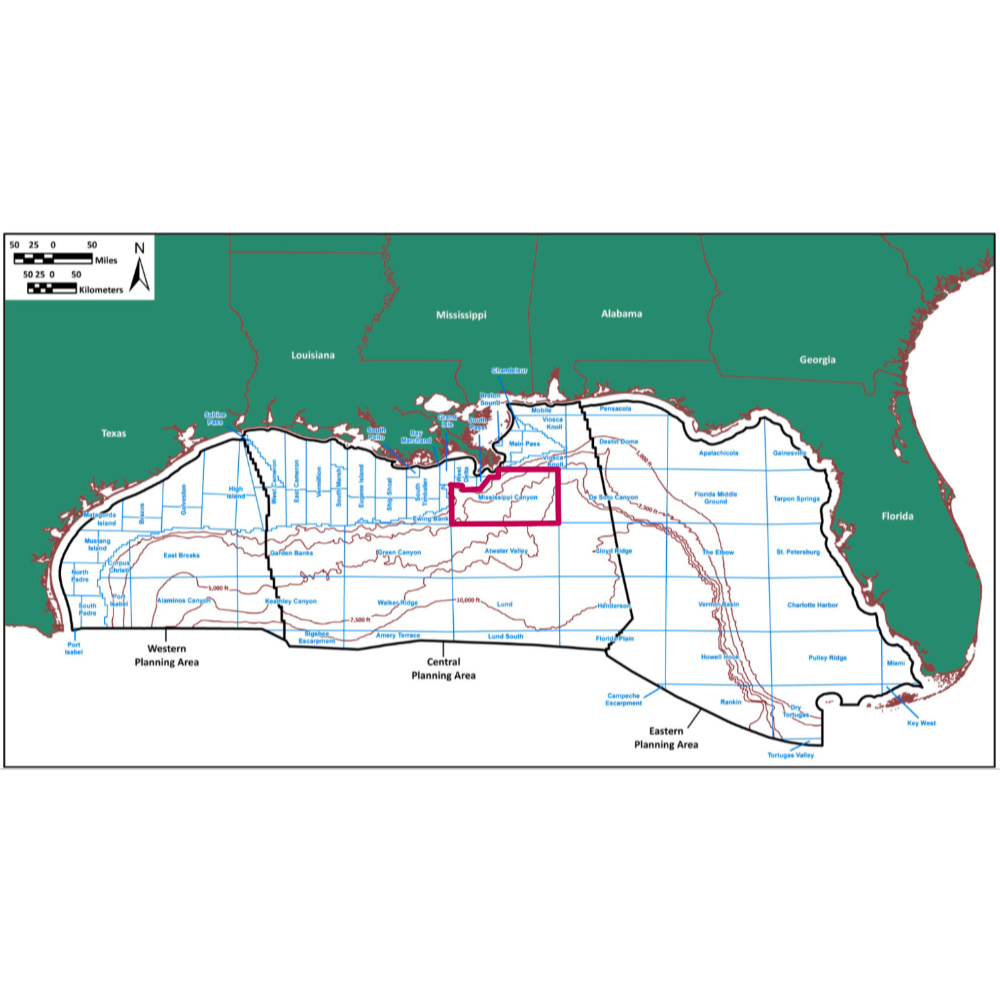
Image Source: US Bureau of Ocean Energy Management. (All rights belong to the original owner.)


SUBMIT YOUR STORIES AND PHOTOS
RigOil is built on the stories of the people who lived and worked offshore. If you have photos or memories from life on a North Sea platform, we’d love to include them in the archive.
Upload your photos and help preserve this shared history.*
*By submitting content, you confirm you have the right to share it and grant RigOil a non-exclusive, royalty-free licence to use the material for editorial, promotional, and commercial purposes. Copyright remains with the contributor.